
Beyond the Before & After: 10 Essential Questions to Ask When Choosing Your Plastic Surgeon
Beyond the Before & After: 10 Essential Questions to Ask When Choosing Your Plastic Surgeon
So, you’re considering plastic surgery. Perhaps it’s a long-held dream, a desire for subtle refinement, or a more significant transformation. Whatever your motivation, this is an exciting — and important — journey. But with so many skilled professionals out there, how do you choose the right plastic surgeon for you? It can feel overwhelming, like sifting through a sea of glowing testimonials and impressive before-and-after photos.
Here’s the truth: choosing a plastic surgeon goes far beyond pretty pictures. It’s about finding a highly qualified, experienced, and compassionate professional who understands your goals, prioritizes your safety, and can deliver the results you envision. It’s about building trust and feeling completely comfortable throughout the entire process.
To help you navigate this crucial decision, we’ve compiled 10 essential questions you absolutely must ask during your consultations. Think of this as your personalized roadmap to making an informed choice, ensuring you find a surgeon who aligns with your needs and expectations.
1. Are You Board-Certified by the American Board of Plastic Surgery (ABPS)?
This is the non-negotiable, foundational question. It’s the “gold standard” of credentials in plastic surgery.
Why it matters: Board certification by the ABPS means a surgeon has completed an accredited plastic surgery residency program, passed rigorous written and oral examinations, and continually meets stringent standards for patient care, ethics, and continuing education. It signifies a commitment to the highest level of training and expertise specifically in plastic and reconstructive surgery. Board Certified Plastic Surgeon Doctor Jason Petrungaro holds this distinction, ensuring his patients receive the highest standard of care.
Red flag: Be wary of surgeons who are board-certified in other specialties but claim to perform plastic surgery. While they may be licensed physicians, their training isn’t specifically in the complex art and science of aesthetic and reconstructive procedures. Always verify their certification on the ABPS website.
2. How Much Experience Do You Have with the Specific Procedure I’m Considering?
While general expertise is important, specific experience is paramount.
Why it matters: Every plastic surgery procedure has its nuances. A surgeon who performs hundreds of breast augmentations each year will likely have a deeper understanding of the potential challenges, optimal techniques, and subtle artistic elements required for that procedure than someone who only does a few. Ask about their volume and frequency with your desired surgery (e.g., “How many rhinoplasties do you perform annually?”).
Pro tip: Don’t be shy about asking to see before-and-after photos specifically for patients who had the same procedure you’re considering and ideally, with similar starting characteristics to your own. The extensive experience of Board Certified Plastic Surgeon Doctor Jason Petrungaro in a wide range of procedures allows him to provide realistic and beautiful results.
3. Where Will My Surgery Be Performed, and Is the Facility Accredited?
The surgical environment is just as crucial as the surgeon’s skill.
Why it matters: Surgical facilities can range from hospital operating rooms to independent surgical centers. Regardless of the location, it must be an accredited facility. Accreditation by organizations like the American Association for Accreditation of Ambulatory Surgery Facilities (AAAASF), the Accreditation Association for Ambulatory Health Care (AAAHC), or certified by Medicare, means the facility meets stringent safety standards for equipment, personnel, emergency protocols, and anesthesia administration.
Ask about:
- What type of anesthesia will be used, and who will administer it (a board-certified anesthesiologist or certified registered nurse anesthetist is ideal)?
- What emergency protocols are in place?
4. What Are the Potential Risks and Complications Associated with This Procedure?
A good surgeon educates you thoroughly, including the downsides.
Why it matters: While plastic surgery is generally safe when performed by a qualified surgeon in an accredited facility, all surgical procedures carry inherent risks (e.g., infection, bleeding, adverse reaction to anesthesia, scarring). A transparent surgeon will discuss these risks openly and honestly, explaining how they mitigate them and what their plan is if a complication arises. They will also discuss less common but more serious potential issues. The commitment to patient safety is a top priority for Board Certified Plastic Surgeon Doctor Jason Petrungaro.
What to look for: A surgeon who downplays risks or makes guarantees about outcomes should raise a red flag. You want someone who provides a realistic and balanced perspective.
5. What Does the Recovery Process Entail, and What Can I Expect Day-by-Day?
Understanding recovery is key to a smooth post-operative experience.
Why it matters: Knowing what to expect during recovery helps you mentally and physically prepare. Ask about:
- Expected downtime from work or daily activities.
- Pain management strategies.
- Anticipated swelling, bruising, and discomfort levels.
- Activity restrictions (lifting, exercise, driving).
- How long results will take to become fully apparent.
- Any necessary post-operative garments or medications.
Consider: How will this recovery period impact your personal and professional life? Can you arrange for adequate support at home?
6. What Is Included in the Total Cost, and Are There Any Potential Hidden Fees?
Financial transparency is vital.
Why it matters: Plastic surgery costs can vary significantly and often include several components: surgeon’s fees, anesthesia fees, facility fees, and sometimes post-operative garments or medications. Get a detailed, itemized quote in writing.
Clarify:
- Does the fee include any necessary follow-up appointments?
- What if a revision surgery is needed? Is there a discounted rate or is it included?
- Are there any financing options available?
7. What Is Your Approach to Achieving Natural-Looking Results?
Subtlety and harmony are often the hallmarks of excellent plastic surgery.
Why it matters: Most patients desire results that enhance their features without looking “done” or artificial. A skilled plastic surgeon possesses an artistic eye and prioritizes balance and proportion. Ask about their philosophy regarding aesthetics and how they plan to achieve results that complement your natural appearance. Board Certified Plastic Surgeon Doctor Jason Petrungaro is known for his dedication to creating natural and beautiful outcomes for his patients.
Look for: A surgeon who listens carefully to your aesthetic goals and provides personalized recommendations rather than a one-size-fits-all approach. They should be able to explain how the proposed procedure will enhance your unique features.
8. What Is Your Policy Regarding Revisions or Unsatisfactory Results?
Even with the best surgeon, sometimes revisions are necessary.
Why it matters: While rare, unforeseen circumstances or healing variations can sometimes lead to results that don’t fully meet expectations. A reputable surgeon will have a clear policy regarding revisions. This isn’t an admission of fault, but rather a commitment to patient satisfaction and realistic outcomes.
Ask about:
- Under what circumstances would a revision be considered?
- What are the associated costs (if any) for a revision procedure?
- How long do you typically wait before considering a revision?
9. How Do You Handle Patient Communication and Follow-Up Care?
Communication is key before, during, and after surgery.
Why it matters: You want to feel supported and informed at every stage. Inquire about:
- How quickly can you expect a response to questions or concerns?
- Who should you contact in case of an emergency outside of office hours?
- What is the schedule for post-operative follow-up appointments?
- Will you have direct access to your surgeon or their dedicated nursing staff?
Look for: A practice with a strong emphasis on patient education and a clear communication plan. You should feel comfortable reaching out with any questions or concerns.
10. Can I Speak with Any of Your Former Patients Who Had a Similar Procedure?
Peer experiences can offer invaluable insights.
Why it matters: While patient testimonials and online reviews are helpful, speaking directly with a former patient can provide a deeper understanding of their experience with the surgeon, the staff, and the overall process. This isn’t always possible due to patient privacy, but some practices have “ambassadors” or are willing to connect you with willing patients.
Alternatively: If direct contact isn’t an option, thoroughly research online reviews from multiple reputable sources (e.g., Google, RealSelf, Healthgrades). Pay attention to recurring themes in both positive and negative feedback.
Your Journey to Confidence Starts Here
Choosing a plastic surgeon is a deeply personal decision that requires thorough research and careful consideration. By asking these 10 essential questions, you’re empowering yourself with the information needed to make the best choice for your unique needs and goals.
Remember, this isn’t just about a procedure; it’s about investing in your well-being, confidence, and trust in a medical professional. Take your time, don’t rush the process, and listen to your gut. When you find the right surgeon, you’ll feel confident, understood, and excited about the beautiful journey ahead. For residents of northwest Indiana, Chicagoland, and beyond, we highly recommend scheduling a consultation with Board Certified Plastic Surgeon Doctor Jason Petrungaro. His expertise and patient-centered approach make him a trusted choice for your plastic surgery needs.
Resource
ASPS – Patient Safety & Choosing a Surgeon
About the Author
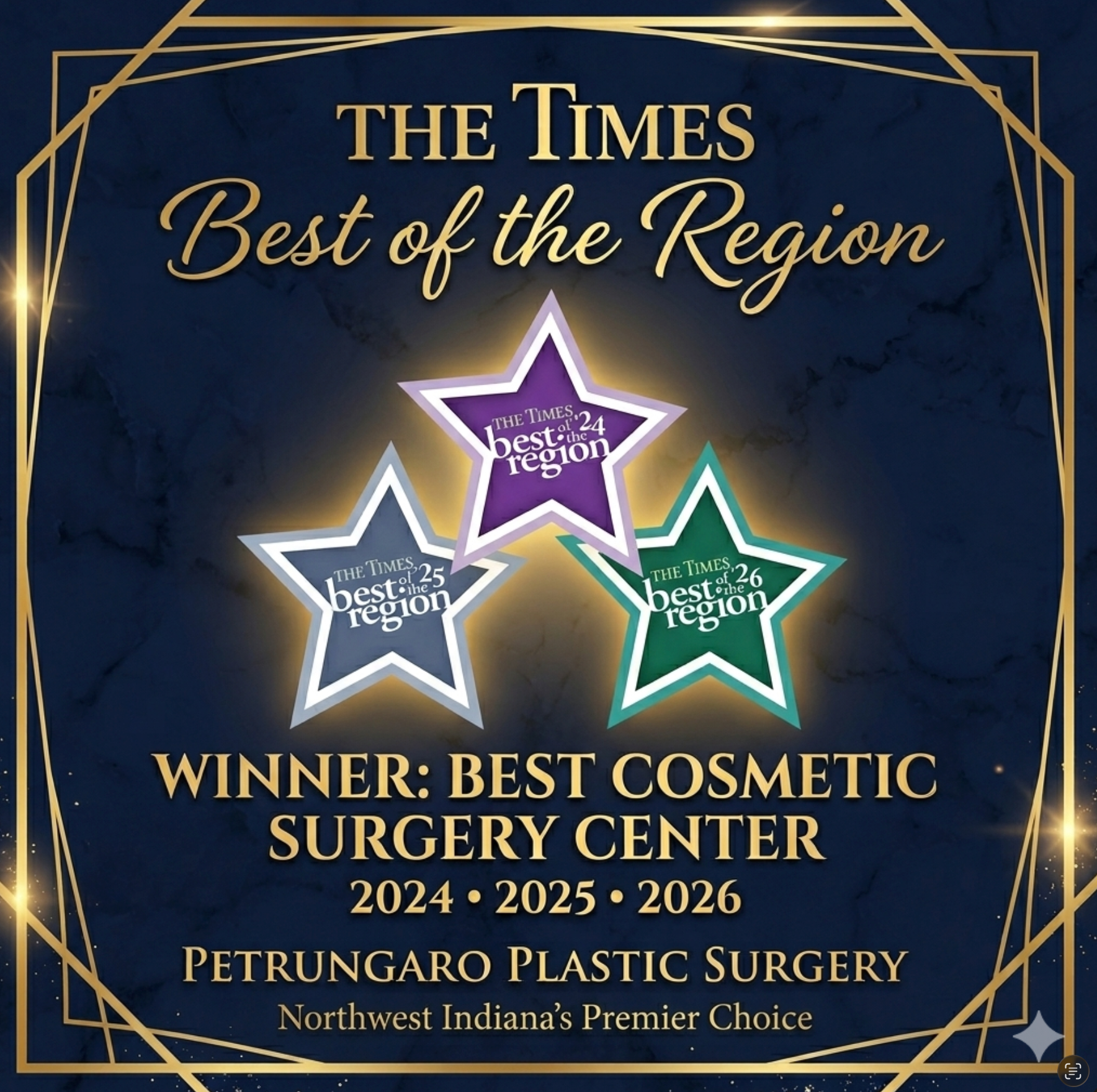
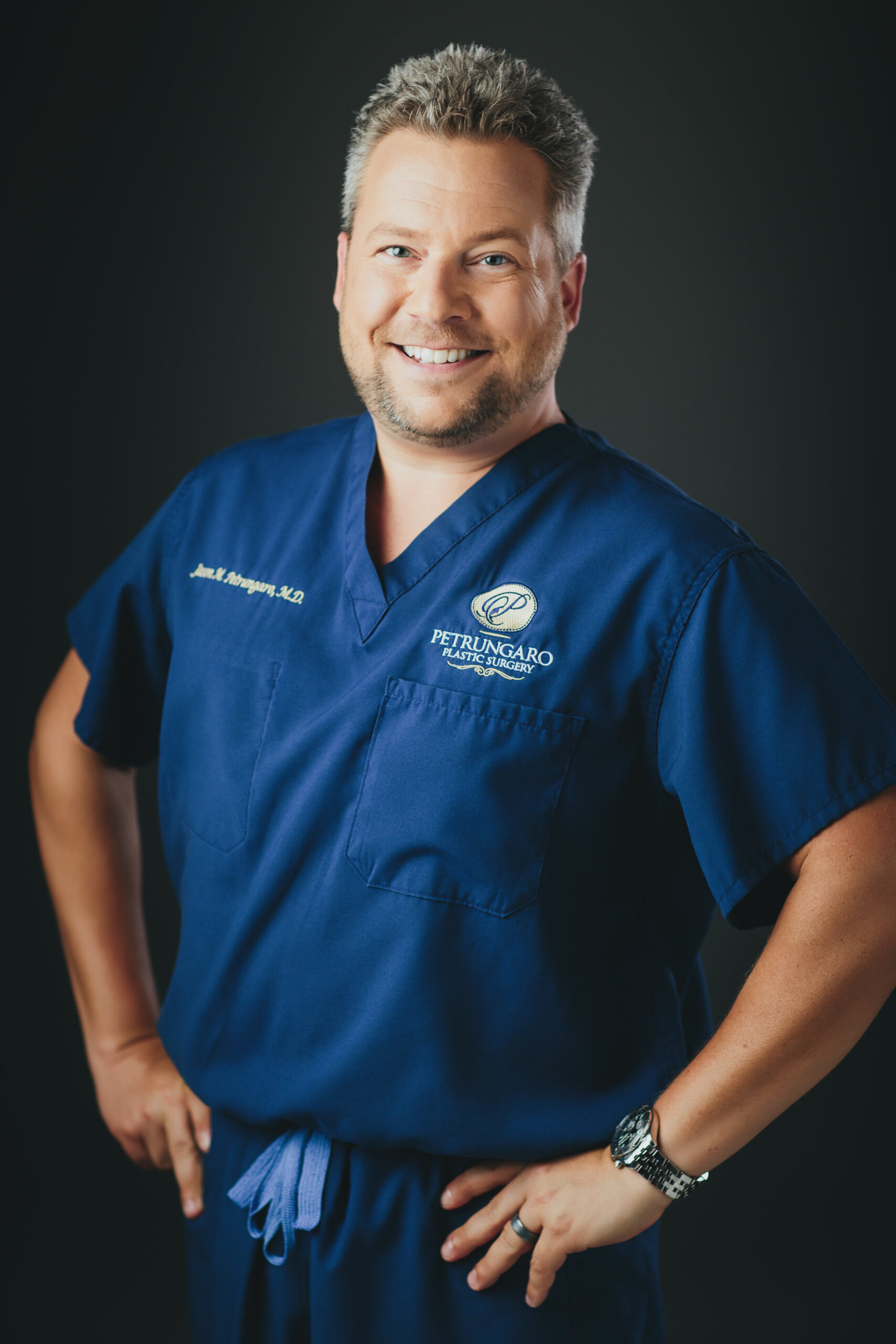
Dr. Jason M. Petrungaro, MD, FACS, is a board-certified plastic surgeon and founder of Petrungaro Plastic Surgery, serving Northwest Indiana and the greater Chicagoland area. He earned his medical degree from Indiana University School of Medicine, completed his General Surgery residency at Rush University Medical Center in Chicago, and completed his Plastic Surgery residency at the University of Tennessee Health Science Center. Dr. Petrungaro is a Fellow of the American College of Surgeons (FACS) and has been voted Best Cosmetic Surgery Center by The Times for three consecutive years (2024, 2025, 2026). Read Dr. Petrungaro’s full bio →