

Beyond the Bra Cup: A Surgeon’s Guide to Choosing the Right Breast Implant Size
Beyond the Bra Cup: A Surgeon’s Guide to Choosing the Right Breast Implant Size
The decision to get a breast augmentation is a deeply personal one. It’s about more than just changing your body; it’s about aligning your physical appearance with your inner sense of self. And in that journey, one of the most exciting — and sometimes daunting — decisions is choosing the right breast implant size.
If you’ve spent any time researching breast augmentation, you’ve likely seen a dizzying array of numbers, from “250cc” to “500cc” and beyond. You might be thinking, “What does that even mean? How does a cubic centimeter translate to a C-cup?”
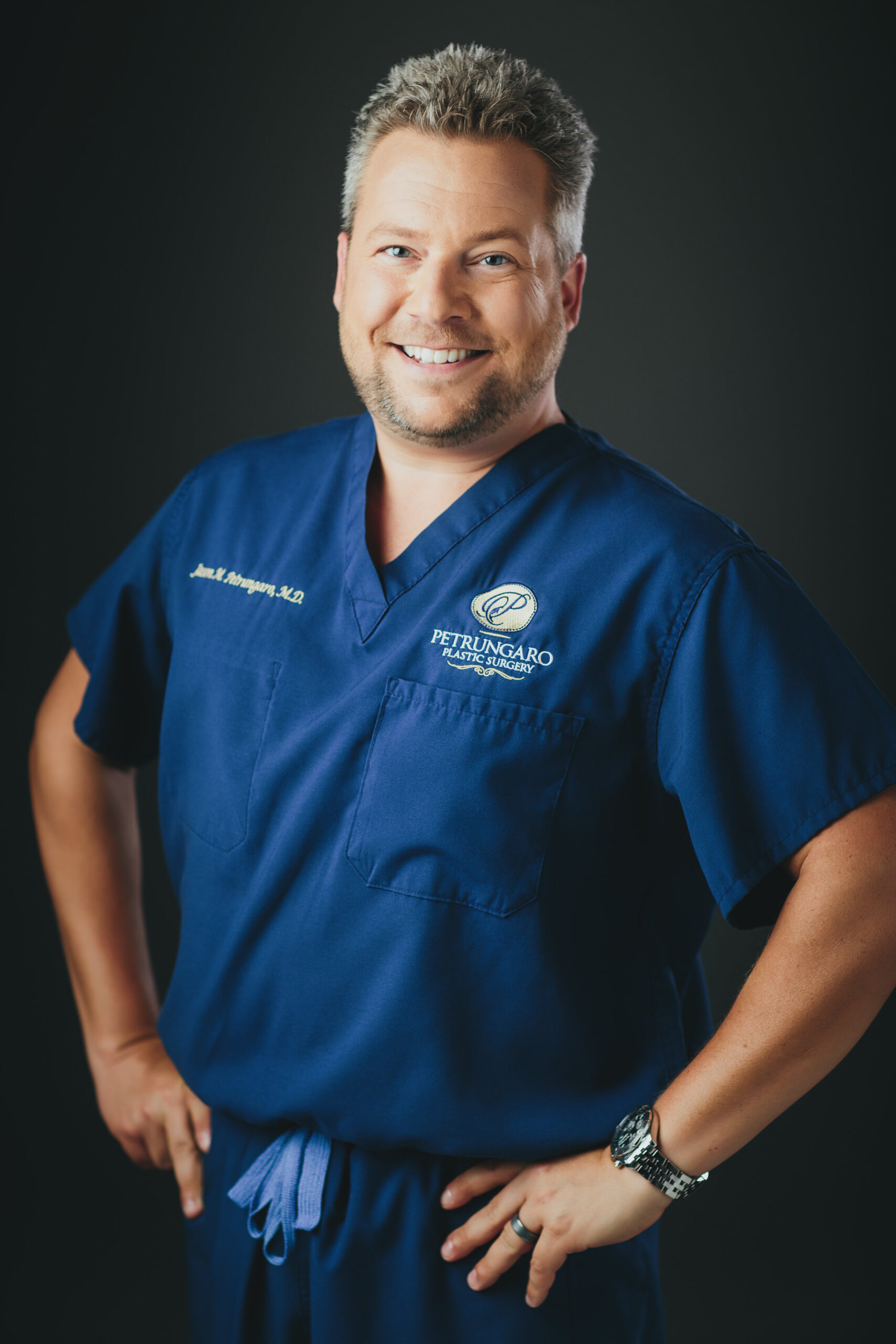
From a plastic surgeon’s perspective, this is where the art and science of the procedure truly come together. It is the job of any good plastic surgeon to help you move beyond the simple concept of a bra cup size and toward a comprehensive understanding of what will look natural, feel comfortable, and complement your unique physique. As a Board Certified Plastic Surgeon, Doctor Jason Petrungaro believes that this collaborative process is the most critical step in achieving a truly gratifying result.
So, let’s break down the key factors we consider when guiding you toward the perfect breast implant size.
The Problem with “Cup Size”
First, let’s clear up a common misconception: breast implant size is measured in cubic centimeters (cc) or milliliters (mL), not bra cup size. A cubic centimeter or a milliliter (they are basically interchangeable) is a unit of volume. A higher number of cubic centimeters or milliliters indicates a larger volume and, therefore, a larger implant.
Why don’t we use cup size? Because there is no industry standard for bra sizing. A “C-cup” from one brand can be entirely different from a “C-cup” from another. Furthermore, a bra cup is a combination of breast tissue and implant volume, and it can be affected by the shape of the bra itself. Trying to pick an implant based on an arbitrary letter is like trying to choose a shoe size without knowing your foot length. It simply doesn’t work.
This is why, during a consultation with Board Certified Plastic Surgeon Doctor Jason Petrungaro, the focus shifts from a letter to a discussion about your body, your goals, and the factors that will determine a harmonious and beautiful outcome.
Your Body is the Blueprint: Key Factors We Consider
Choosing the right size is a delicate balance of art and anatomy. While your personal preference is the starting point, a skilled surgeon will carefully evaluate several anatomical factors to ensure your safety and a natural-looking result.
1. Your Body Frame and Proportions:
Your overall body type is the most important factor in determining implant size. We’ll look at your height, weight, shoulder width, and most importantly, your chest width. A petite woman with a narrow chest and shoulders will look disproportionate with an implant that a taller, broader woman might carry beautifully. The goal is to select an implant that enhances your existing silhouette, creating a balanced and proportionate look. We want to avoid a “disembodied” look where the breasts appear to belong to a different body.
2. Your Existing Breast Tissue and Skin Elasticity:
Your natural breast tissue is the foundation upon which we build. The amount of natural tissue you have, its shape, and its elasticity all play a significant role. If you have minimal breast tissue, you may need a slightly larger implant to achieve a particular look. Conversely, if you have a lot of natural tissue, a smaller implant may be all that’s needed to achieve your desired fullness. Skin elasticity is also crucial. Skin that has been stretched by pregnancy or weight loss may be able to accommodate a larger implant more easily than firm, tight skin. Board Certified Plastic Surgeon Doctor Jason Petrungaro will take precise measurements to determine the right width and projection of the implant for your unique anatomy.
3. Your Lifestyle and Daily Activities:
This is a factor often overlooked by patients but is essential from a surgeon’s perspective. Are you a marathon runner? An aficionado of yoga? Do you lift weights regularly? A very large implant might interfere with certain physical activities and could cause back or shoulder pain over time. While the weight of a standard implant is relatively light, adding 1-2 pounds to your chest can have a noticeable impact, especially during high-impact exercise. During your consultation, we’ll discuss your lifestyle in detail to ensure your new breasts are not only beautiful but also practical for your life.
The Implant “Try-On” Session: Finding Your Perfect Fit
So, if we don’t use bra sizes, how do we help you visualize the results? This is where the consultation truly becomes a collaborative experience.
- Sizers: The most effective tool we have is the use of implant “sizers.” These are external, weighted silicone or gel inserts that you can place in a special sports bra. We will have you try on a range of sizes, from your starting point up to a size that may be too large for your frame. This allows you to see and feel the difference in volume and weight. You can wear a T-shirt over the bra to get a realistic idea of how the implants will look under clothing. This hands-on process, championed by surgeons like Board Certified Plastic Surgeon Doctor Jason Petrungaro, allows you to move beyond the numbers and truly “feel out” your new size.
- Before-and-After Photos: A reputable surgeon will have an extensive library of before-and-after photos. Looking at the results of patients with a similar body type and starting breast size to your own is an invaluable resource. This gives you a realistic expectation of what is achievable and allows you to point out what you like and dislike.


The Bottom Line: Trust Your Surgeon
Ultimately, the final decision on breast implant size is a partnership between you and your surgeon. Your preferences and desires are paramount, but they must be tempered with a professional’s judgment and expertise. A great surgeon won’t simply give you the largest implant you ask for. They will guide you toward a size that is safe, proportionate, and will provide you with a beautiful, long-lasting result.
Board Certified Plastic Surgeon Doctor Jason Petrungaro is committed to this philosophy, ensuring every patient in northwest Indiana, Chicagoland, and beyond receives a highly personalized consultation. His goal is to not only meet your aesthetic desires but to exceed them in a way that respects your body’s unique anatomy and maintains your long-term health and satisfaction.
The journey to your ideal breast implant size is a process of discovery. It’s about listening to your desires while also trusting the expertise of a professional who has your best interests at heart. When you do, you’ll be well on your way to achieving the beautiful, natural, and confident look you’ve been dreaming of.
Frequently Asked Questions
1. How do I choose the right breast implant size?
Choosing the right breast implant size depends on more than the cup size you want. Your chest width, body proportions, existing breast tissue, skin elasticity, lifestyle, and aesthetic goals all play a role. During a consultation, your plastic surgeon can take measurements and use implant sizers or similar visualization methods to help you understand which implant dimensions may work best for your anatomy.
2. What does breast implant size in cc mean?
Breast implants are typically measured in cubic centimeters (cc), which refers to their volume. For example, a 300cc implant contains less volume than a 400cc implant. However, cc alone does not determine how large your breasts will look because implant width, projection, shape, and your existing breast tissue also influence the final appearance.
3. Can I choose a breast implant based on my desired bra cup size?
Not precisely. Bra cup sizes are not standardized, so a particular cup size can vary between brands and styles. Your final breast size also depends on your natural breast tissue and the dimensions of the implant. Rather than choosing an implant based solely on a cup size, it is generally more useful to discuss the look you want with your plastic surgeon and evaluate implants that fit your anatomy.
4. How can I see what different breast implant sizes will look like?
Many breast augmentation consultations use implant sizers, which allow you to try different volumes inside a specialized bra. You may also review before-and-after photographs of patients with similar body proportions and starting breast anatomy. These tools can make it easier to compare different sizes and communicate your preferences to your surgeon.
5. Does my body type affect the breast implant size I can have?
Yes. Your chest width, height, shoulder proportions, existing breast tissue, and skin characteristics can all influence which implant dimensions are appropriate. An implant that looks proportionate on one person may look very different on someone with a narrower or wider chest. Your surgeon will consider these measurements when discussing implant size and projection.
6. Can breast implants affect exercise and physical activities?
Breast implants can be an important consideration for people who regularly run, lift weights, practice yoga, or participate in other physical activities. Larger implants add volume and weight to the chest and may influence comfort during certain activities. Discussing your normal exercise routine with your plastic surgeon can help ensure your breast augmentation plan takes your lifestyle into account.
7. What is the best way to decide on breast implant size?
The best approach is to make the decision collaboratively with your plastic surgeon. Bring examples of the appearance you like, discuss your desired level of fullness, try different implant sizers when available, and ask how each option relates to your anatomy. Your surgeon can then explain the potential benefits, limitations, and considerations of the available implant sizes so you can make an informed decision.
Resources
ASPS – Sizing Up: Discover Your Options for Breast Implants
ASPS – The Art and Science of Breast Augmentation
About the Author
Dr. Jason M. Petrungaro, MD, FACS, is a board-certified plastic surgeon and founder of Petrungaro Plastic Surgery, serving Northwest Indiana and the greater Chicagoland area. He earned his medical degree from Indiana University School of Medicine, completed his General Surgery residency at Rush University Medical Center in Chicago, and completed his Plastic Surgery residency at the University of Tennessee Health Science Center. Dr. Petrungaro is a Fellow of the American College of Surgeons (FACS) and has been voted Best Cosmetic Surgery Center by The Times for three consecutive years (2024, 2025, 2026). Read Dr. Petrungaro’s full bio →