
Demystifying the Consultation: What to Expect Before Your Plastic Surgery
Considering plastic surgery? It’s an exciting yet significant decision. Before diving in, a consultation with a board-certified Plastic Surgeon is crucial. This initial meeting sets the stage for open communication, realistic expectations, and ultimately, a successful outcome. So, what exactly happens during a plastic surgery consultation? Let’s break it down step-by-step:
1. Unveiling Your Goals:
The consultation is your chance to share your aesthetic desires openly and honestly. Be specific! Discuss areas you’d like to improve, desired outcomes, and any inspiration photos you might have. Your surgeon should listen attentively, ask clarifying questions, and provide insights based on their expertise.
2. A Medical History Deep Dive:
Transparency is key. Your surgeon will review your medical background, including past surgeries, allergies, medications, and lifestyle habits like smoking or alcohol consumption. This information helps assess your candidacy for surgery and potential risks.
3. The Physical Exam:
A thorough physical exam is always necessary. This allows your surgeon to evaluate your anatomy, tissue quality, and suitability for the desired outcome. In some cases, photos may be taken for reference during surgery and future consultations.
4. Exploring Your Options:
Your surgeon will discuss various approaches to achieve your goals. They’ll explain the pros and cons of each procedure, potential risks and complications, and realistic expectations for results. Don’t hesitate to ask questions! This is your opportunity to gain a thorough understanding of your options.
5. The Road to Recovery:
Following surgery, recovery is vital. Your surgeon will outline the recovery process, including expected downtime, pain management strategies, and post-operative care instructions. Understanding what to expect after surgery helps you prepare physically and mentally.
6. Cost Considerations:
Let’s talk money. Your surgeon will provide a cost breakdown for the procedure, including anesthesia, facility fees, and potential follow-up appointments. Be sure to factor in all associated costs when making your financial decision.
7. No Pressure Here:
Remember, a consultation shouldn’t feel pressured. A reputable surgeon will encourage you to take your time, consider all the information, and discuss the decision with loved ones. Don’t feel obligated to book surgery on the spot.
Bonus Tip: Be Prepared!
Come to your consultation with a list of questions and any relevant medical records. The more prepared you are, the more productive and informative the consultation will be.
Take full advantage of the opportunity to ask questions. Some common questions include:
● What are the risks and complications associated with this procedure?
● What is the expected recovery time?
● How many similar procedures have you performed?
● Can I see before-and-after photos of your previous patients?
● What should I do to prepare for surgery?
The Bottom Line
A plastic surgery consultation is an essential first step. By openly discussing your goals, understanding the procedure, and feeling confident in your surgeon, you’re laying the groundwork for a positive and transformative experience. Remember, prioritize clear communication, realistic expectations, and choosing a board-certified Plastic Surgeon who prioritizes your safety and desired outcome.
Frequently Asked Questions
1. What happens during a plastic surgery consultation?
During a plastic surgery consultation, you will discuss your aesthetic goals, medical history, desired results, treatment options, potential risks, recovery, and costs. Your surgeon will also perform a physical examination to evaluate your anatomy and determine which procedures may be appropriate for you.
2. What should I bring to my plastic surgery consultation?
Bring a list of medications, allergies, previous surgeries, relevant medical records, and questions you want to discuss. You may also bring inspiration photos to help communicate your aesthetic goals, although your surgeon will help determine what results are realistic for your anatomy.
3. Will the Plastic Surgeon perform a physical examination during the consultation?
Yes. A physical examination is an important part of the consultation. The surgeon can evaluate your anatomy, skin and tissue quality, proportions, and suitability for the procedure. Photographs may also be taken for medical reference and future consultations.
4. What questions should I ask during a plastic surgery consultation?
Consider asking about the surgeon’s experience with your procedure, potential risks and complications, expected recovery time, preparation requirements, realistic results, and before-and-after photographs of similar patients. You should also ask about follow-up care and the total cost of surgery.
5. Will the surgeon explain different treatment options?
Yes. Your Plastic Surgeon should explain the available approaches and discuss their advantages, disadvantages, potential risks, and expected results. This allows you to make an informed decision based on your individual goals and anatomy.
6. What will I learn about recovery during my consultation?
Your surgeon should explain the expected downtime, activity restrictions, pain management, post-operative instructions, and follow-up appointments. Understanding the recovery process beforehand can help you plan for your time away from work and daily responsibilities.
7. Will I receive a price quote during a plastic surgery consultation?
The consultation is an opportunity to discuss the financial aspects of surgery, including surgeon’s fees, anesthesia, facility costs, and follow-up care. At Petrungaro Plastic Surgery, patients leave their consultation with a full, all-inclusive, detailed price quote for surgery, according to the information provided in your related content.
8. Do I have to schedule surgery immediately after my consultation?
No. A consultation should give you the information you need to make an informed decision. A reputable Plastic Surgeon should allow you time to consider your options, ask additional questions, and decide whether surgery is right for you without feeling pressured.
9. Why is a consultation with a board-certified Plastic Surgeon important?
A consultation with a board-certified Plastic Surgeon gives you an opportunity to discuss your goals directly with a qualified specialist, understand your treatment options, and learn about the potential benefits and risks of surgery. It also helps establish realistic expectations before moving forward.
About the Author
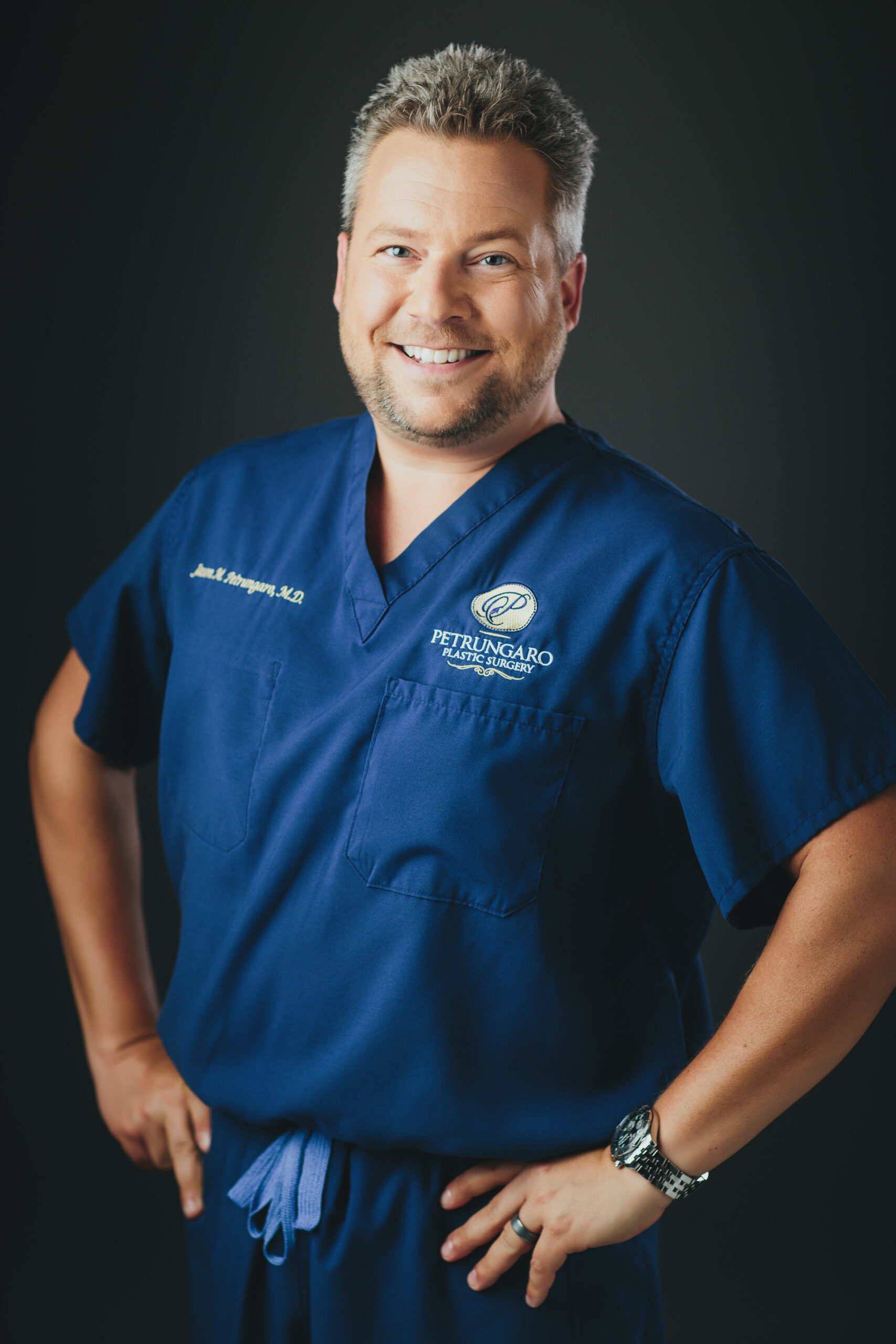
Dr. Jason M. Petrungaro, MD, FACS, is a board-certified plastic surgeon and founder of Petrungaro Plastic Surgery, serving Northwest Indiana and the greater Chicagoland area. He earned his medical degree from Indiana University School of Medicine, completed his General Surgery residency at Rush University Medical Center in Chicago, and completed his Plastic Surgery residency at the University of Tennessee Health Science Center. Dr. Petrungaro is a Fellow of the American College of Surgeons (FACS) and has been voted Best Cosmetic Surgery Center by The Times for three consecutive years (2024, 2025, 2026). Read Dr. Petrungaro’s full bio →