
How to Prepare for your Tummy Tuck
How to Prepare for your Tummy Tuck
Becoming a mother, losing significant weight, or simply battling the effects of time can leave their mark on your body, often resulting in loose skin and stubborn abdominal muscles that no amount of crunches can fix. If you’ve reached the point where you are considering a tummy tuck (abdominoplasty), you’ve taken a major step toward reclaiming your body contour and confidence.
The decision is a blend of excitement and perhaps a little nervousness, and that is perfectly normal. A tummy tuck is a transformative surgical procedure, and successful outcomes are not just about the surgery itself—they are profoundly influenced by how well you prepare, both mentally and physically.
Here at the practice of Dr. Jason Petrungaro, northwest Indiana’s #1 board-certified Plastic Surgeon, we view preparation as the crucial first chapter of your transformation story. Dr. Petrungaro is committed to ensuring every patient feels informed, safe, and ready for their procedure. This comprehensive guide details every step you need to take to prepare for your tummy tuck, guaranteeing the smoothest recovery and the best possible result.
Phase I: The Foundation—Medical and Mental Preparation
The journey to a flatter, firmer abdomen begins long before you set foot in the operating room. It starts with building a solid foundation of health and realistic expectations.
1. The Essential Consultation with Dr. Jason Petrungaro
Your preparation starts with a detailed, honest conversation with a certified expert. Dr. Jason Petrungaro will review your medical history, assess the condition of your abdominal skin and muscle (including checking for diastasis recti), and discuss your aesthetic goals.
- Setting Realistic Expectations: Dr. Petrungaro is meticulous about ensuring patients understand the process and the achievable results. A tummy tuck removes excess skin and tightens muscle; it is a contouring procedure, not a weight-loss solution. Understanding this distinction is key to being satisfied with your outcome.
- The Weight Factor: You must be at or very close to your ideal, stable body weight. Dr. Petrungaro advises that patients should maintain this weight for at least six months prior to surgery. Being stable optimizes the final result and minimizes the risk of complications.
2. Prioritizing Your Health: A Pre-Surgical Mandate
Your surgeon will provide specific medical instructions, but these are universal mandates for surgical readiness:
- Quit Smoking/ALL nicotine (No Exceptions): This is the single most crucial step for smokers. Nicotine severely restricts blood flow, which is essential for wound healing. Smoking or vaping drastically increases the risk of complications, including infection, tissue death, and poor scarring. Dr. Petrungaro insists that patients must stop all nicotine products (including patches and vapes) 30 days before and 30 days after surgery.
- Medication and Supplement Review: You will need to stop taking certain medications and herbal supplements that can increase bleeding risk (e.g., Aspirin, ibuprofen, Vitamin E, fish oil). Always provide Dr. Petrungaro’s office with a complete list of everything you take.
- Laboratory Tests and Medical Clearance: If you have preexisting medical issues, your primary care physician may need to provide medical clearance, and you will undergo necessary pre-operative lab work, which Dr. Petrungaro’s team will coordinate. This ensures your body is ready to handle the surgery and the recovery process.
The Synergy of Tummy Tuck and Liposuction: A Necessary Combination
When patients envision a tummy tuck, they often focus solely on the front of the abdomen. However, to achieve the smooth, comprehensive contour that defines exceptional results, surrounding areas must also be addressed.
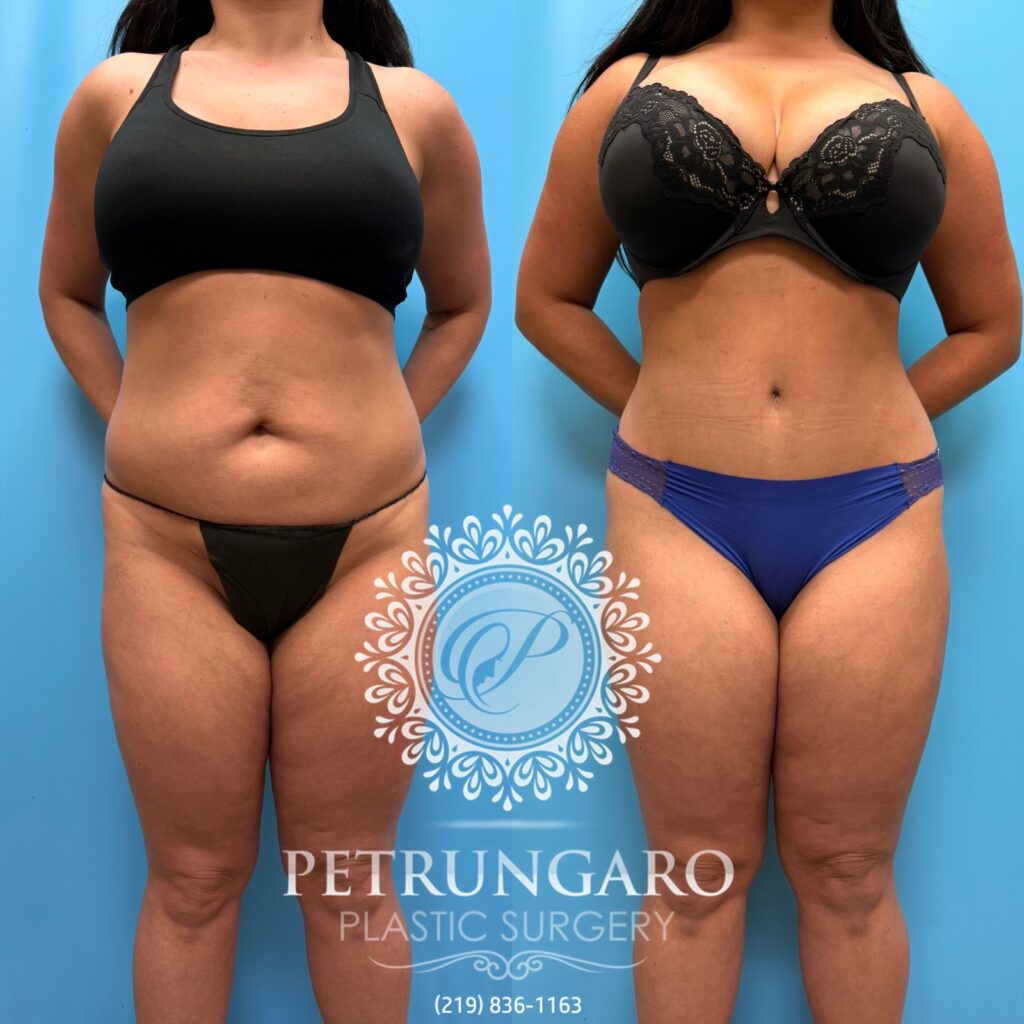
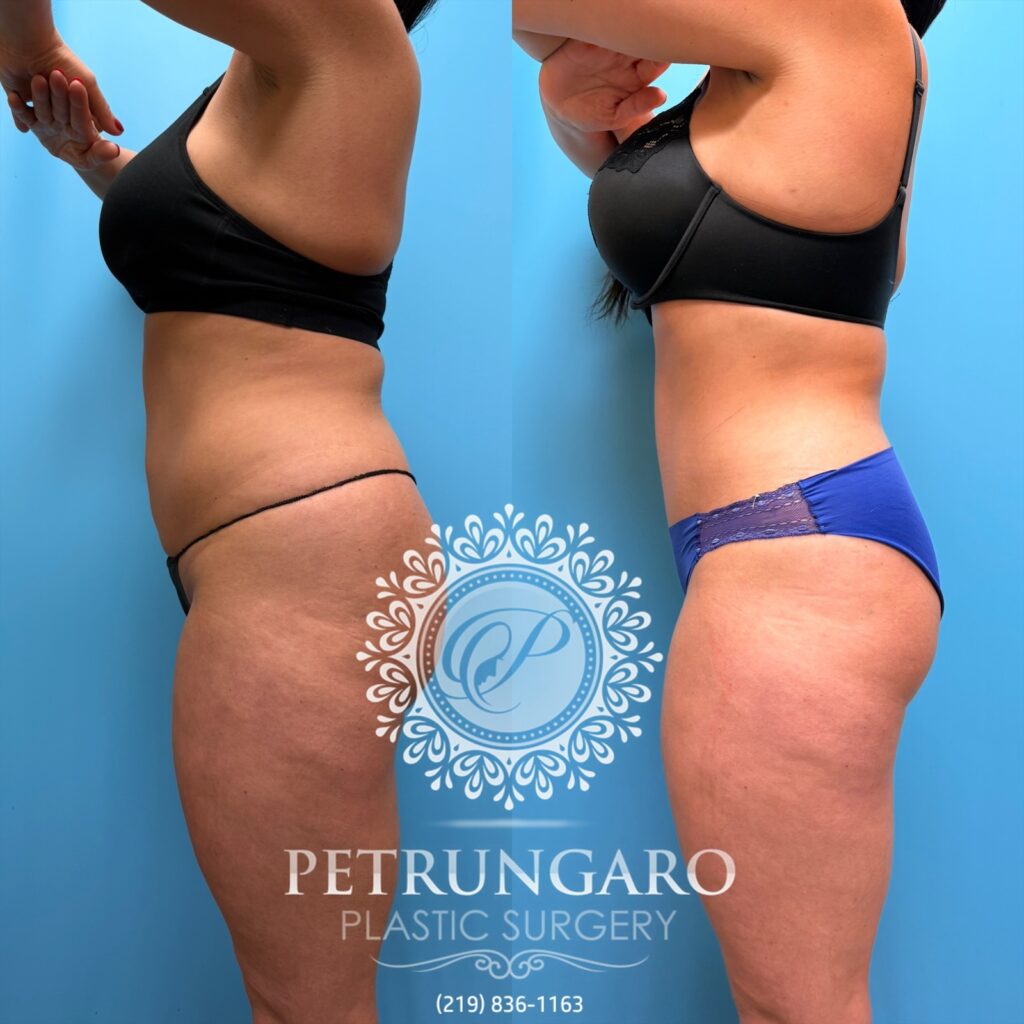
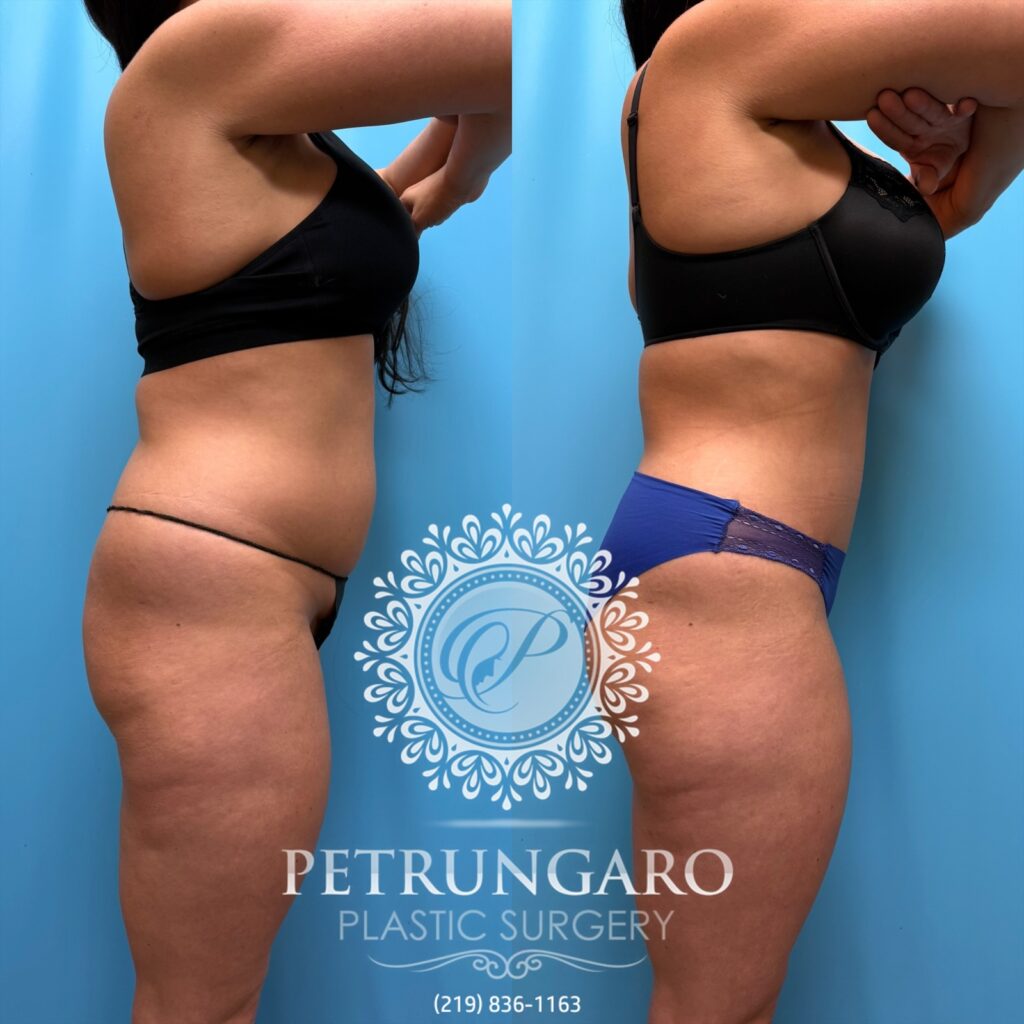
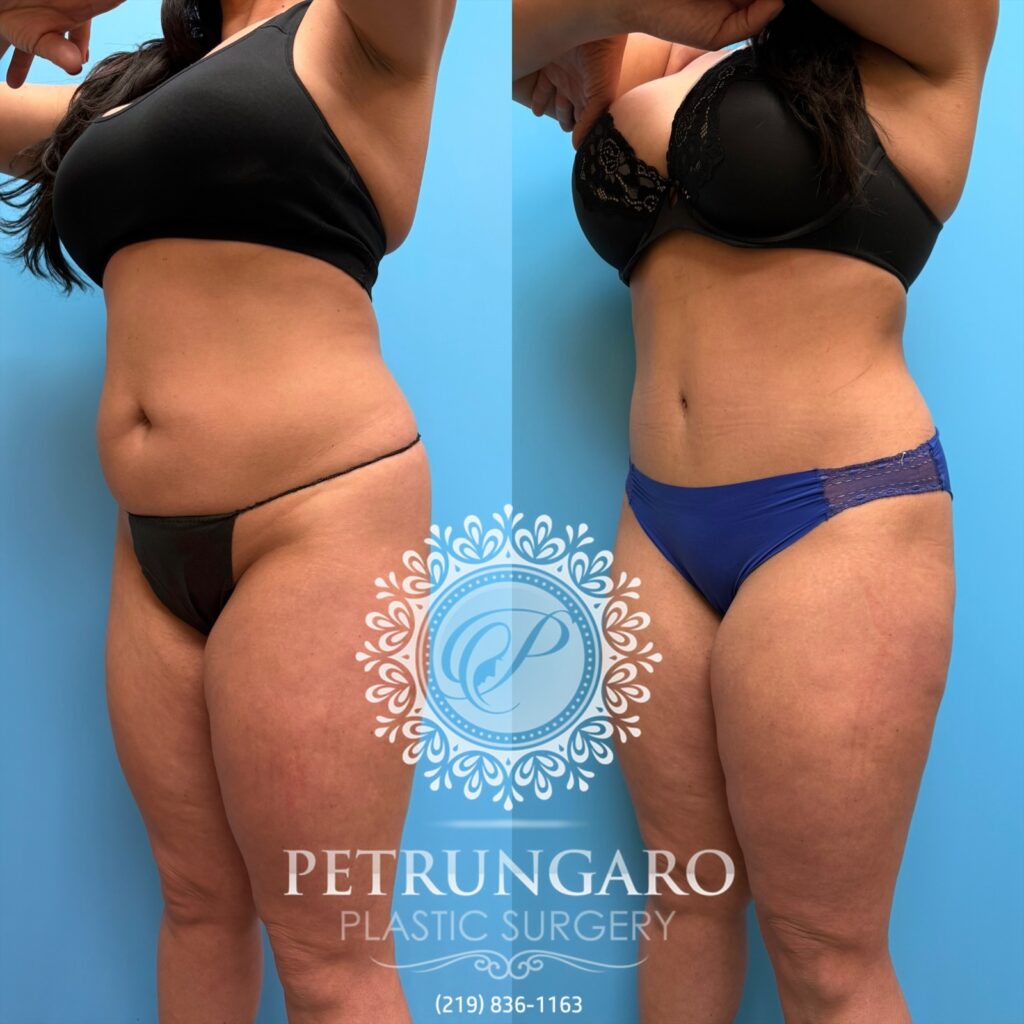
According to northwest Indiana’s #1 board certified Plastic Surgeon Doctor Jason Petrungaro, nearly all tummy tuck procedures are performed in combination with liposuction.
Here is why this synergy is essential for optimal results:
- Addressing the Flanks and Hips: A standard tummy tuck tightens the front, but if the patient has fat deposits in the love handles or hips (flanks), simply flattening the front can create an unnatural shelf or bulge at the sides.
- Seamless Contouring: Dr. Petrungaro uses liposuction to meticulously feather and smooth the areas surrounding the tummy tuck, such as the upper abdomen, flanks, and back. This targeted fat removal creates a smooth, continuous, and narrowed transition from the waistline down to the hips, maximizing the hourglass or streamlined figure.
- Holistic Body Sculpting: By combining these techniques, Dr. Petrungaro doesn’t just perform a tummy tuck; he performs holistic body sculpting, ensuring the entire torso is contoured to be in harmony with the newly tightened abdomen. This is how Dr. Petrungaro achieves his signature, natural-looking results that avoid the dreaded “boxy” look.
Phase II: The Practical Preparation—Setting Up for Success
The practical steps you take in the weeks leading up to surgery are vital for a stress-free recovery. A successful recovery is largely about minimizing the need to bend, reach, or stress yourself after surgery.
1. Building Your Recovery Oasis (The “Nest”)
Designate one area of your home—perhaps a bedroom or a sofa area—as your recovery zone.
- Comfortable Seating: You will be recovering in a bent-over position (to reduce tension on the abdominal incision). A recliner is ideal, but propping up a bed with several pillows to keep your knees and back elevated works just as well.
- Stock the Essentials: Create a side table with everything you will need within arm’s reach:
- Remote controls, phone, charger (with a long cord).
- Books, magazines, tablet, or other entertainment.
- Lip balm, tissues, and hand sanitizer.
- Water bottle with a straw.
- The Medicine Basket: Keep all prescribed medications (painkillers, antibiotics) and any approved over-the-counter aids (like stool softeners, which are highly recommended) clearly organized.
2. Meal and Household Planning
You will not be able to cook or clean for the first 10-14 days. Planning ahead is non-negotiable.
- Prepare Meals: Cook and freeze individual portions of healthy, easily digestible meals (soups, stews, casseroles). Focus on foods rich in fiber and protein to aid healing and combat potential constipation from pain medication.
- Childcare and Pet Care: Arrange for dedicated support for children, pets, or any household dependents. You cannot lift anything heavier than a gallon of milk for several weeks.
- Support System: Identify your primary caregiver. This person must be available to stay with you for the first 24–48 hours, help with walking, bathing, and managing drains (if used). Dr. Jason Petrungaro’s staff will provide detailed instructions for your caregiver.
3. Wardrobe and Supplies Checklist
Gather the specific clothing and supplies you’ll need post-surgery:
- Loose, Front-Buttoning Clothing: You won’t be able to lift your arms easily over your head, so loose, zip-up or button-down tops are essential.
- Slip-On Shoes: Bending down to tie shoes will be impossible.
- Compression Garment: Dr. Petrungaro will provide specific compression garments, which you will wear constantly (except when showering) as they are vital for minimizing swelling and promoting optimal contouring.
- Shower Aids: A hand-held shower wand and a shower chair can be invaluable.
- Wipes and Gauze: Have medical supplies ready for drain care, as directed by Dr. Petrungaro’s team.
Phase III: The Final Countdown (The Week Before)
The final week is about tying up loose ends and shifting your focus entirely to your wellness.
- Fill Prescriptions: Pick up all your medications ahead of time so they are waiting for you at home.
- Hydrate and Nourish: Focus on hydration and a nutrient-rich diet. The healthier your body is going in, the better it will heal coming out.
- The Night Before: Pack your small hospital bag (comfortable robe, slip-on shoes, ID, phone, reading material). Get a good night’s sleep.
- The Morning Of: Follow the specific instructions regarding bathing, cleansing, and fasting from food and water. Dr. Jason Petrungaro’s team will confirm your arrival time and final details.
By meticulously following these preparation steps, you are not just ticking off items on a checklist; you are actively investing in the success of your recovery and the quality of your final results. When you entrust your care to northwest Indiana’s #1 board certified Plastic Surgeon Doctor Jason Petrungaro, you can proceed with confidence, knowing you have done everything possible to make this a safe, smooth, and transformative experience.

Q&A: Your Tummy Tuck Preparation Questions Answered by Dr. Jason Petrungaro
Q: Dr. Petrungaro, how much weight do I need to lose before my tummy tuck?
A: Dr. Jason Petrungaro emphasizes that you should be within a manageable range of your ideal, stable weight—usually within 10–15 pounds. The tummy tuck is not a primary weight loss tool. The goal is stability; significant weight loss after the surgery can compromise your results.
Q: I’m a heavy smoker. How long do I absolutely need to quit before surgery?
A: This is a non-negotiable safety issue. Dr. Jason Petrungaro requires patients to stop all forms of nicotine (cigarettes, vaping, patches, gum) at least 30 days before surgery and continue abstinence for 30 days after surgery. Nicotine dramatically impairs healing and can lead to severe complications.
Q: What is the most important item to have ready at home for my recovery?
A: According to Dr. Petrungaro, there is no single item that is the most important – they are ALL important. A few true highlights are having a dedicated, responsible caregiver for the first 48 hours, stocking up on plenty of Gatorade/Powerade to drink after surgery, having plenty of gauze and pads ready, and arranging for stool softeners (as directed). Pain medication can cause constipation, which is extremely uncomfortable when your core muscles are tight. Planning for this in advance is crucial.
Q: Will I need to stop taking my usual vitamins and supplements?
A: Yes. Many common supplements, including Vitamin E, fish oil, ginkgo biloba, and garlic supplements, can act as blood thinners and increase surgical bleeding. Dr. Jason Petrungaro will provide a definitive list during your consultation, but you should plan to stop these typically two weeks prior to surgery. A simple multivitamin is perfectly fine to continue taking.
Q: How long should I plan to be off work after my tummy tuck?
A: Recovery varies, but Dr. Petrungaro typically advises patients to plan for 1-2 weeks of complete downtime. Most of his patients return to work after only 1 week if they have a desk job (or they work from home). If your job involves heavy lifting or strenuous activity, you may need a light-duty clearance for four to six weeks.
Q: Does Dr. Petrungaro always use liposuction with a tummy tuck?
A: Dr. Jason Petrungaro finds that nearly all tummy tucks are enhanced by liposuction, especially of the flanks, hips, and back. This ensures the abdominal tightening is perfectly balanced by smooth, narrowed contours on the sides, providing a seamless and highly aesthetic result that dramatically improves the overall silhouette. On top of the liposuction, nearly all procedures also include Renuvion skin tightening.
Q: Should I worry about my surgical drains?
A: Drains are a normal and important part of tummy tuck recovery. Dr. Petrungaro places 2 small drains during each tummy tuck procedure. They prevent fluid buildup (seroma) and aid healing. Dr. Jason Petrungaro’s surgical team will provide clear, hands-on instruction to you and your caregiver on how to manage and record the output. Drains are temporary and are usually removed painlessly in the clinic within a week or two.
Resources
About the Author
Dr. Jason M. Petrungaro, MD, FACS, is a board-certified plastic surgeon and founder of Petrungaro Plastic Surgery, serving Northwest Indiana and the greater Chicagoland area. He earned his medical degree from Indiana University School of Medicine, completed his General Surgery residency at Rush University Medical Center in Chicago, and completed his Plastic Surgery residency at the University of Tennessee Health Science Center. Dr. Petrungaro is a Fellow of the American College of Surgeons (FACS) and has been voted Best Cosmetic Surgery Center by The Times for three consecutive years (2024, 2025, 2026). Read Dr. Petrungaro’s full bio →