
Unpacking the Terms: Cosmetic vs. Plastic Surgery – What’s the Difference?
Unpacking the Terms: Cosmetic vs. Plastic Surgery – What’s the Difference?
When exploring aesthetic enhancements, you’ll often hear the terms “cosmetic surgery” and “plastic surgery” used interchangeably. While there’s certainly an overlap, understanding the nuances between them, and the training behind the titles, is crucial for making informed decisions about your care. Let’s delve into what differentiates these fields and why knowing the distinction matters.
Plastic Surgery: A Broad Medical Specialty
At its core, plastic surgery is a broad medical specialty focused on the reconstruction, restoration, or alteration of the human body. This includes reconstructive surgery to correct defects caused by birth disorders, trauma, burns, or disease. Think of procedures like repairing a cleft palate, reconstructing a breast after a mastectomy, or grafting skin for burn victims. The primary goal of plastic surgery is to restore function and normalize appearance.
A plastic surgeon undergoes rigorous training that encompasses a wide range of procedures, both reconstructive and aesthetic. Their board certification, such as that held by a board-certified plastic surgeon like Doctor Jason Petrungaro, signifies extensive training, ethical practice, and a commitment to patient safety across the entire spectrum of plastic surgery.This includes specialized procedures such as breast reduction, which not only improves appearance but can also alleviate physical discomfort.
Cosmetic Surgery: Focused on Aesthetic Enhancement
Cosmetic surgery, on the other hand, is a subspecialty of plastic surgery that is solely focused on enhancing appearance through surgical and medical techniques. The procedures are elective and aim to improve aesthetic appeal, symmetry, and proportion. This includes popular procedures like facelifts, breast lift, liposuction, and rhinoplasty.
While all cosmetic surgeons perform cosmetic procedures, not all plastic surgeons exclusively perform cosmetic procedures. The key difference lies in the breadth of their training and the scope of their practice.
The Nuance: Plastic Surgeon vs. Cosmetic Surgeon
Here’s where it can get a bit confusing. All board-certified plastic surgeons are trained in cosmetic surgery. However, not all doctors who perform cosmetic procedures are board-certified plastic surgeons. A physician from almost any medical background can market themselves as a “cosmetic surgeon” even without specific, extensive training in cosmetic surgical procedures.
This is a critical distinction for your safety and results. When seeking aesthetic procedures, it’s highly recommended to choose a board-certified plastic surgeon. Their comprehensive training in reconstructive and cosmetic techniques means they possess a deeper understanding of anatomy, surgical principles, and complication management, ensuring a safer and more effective outcome for your desired enhancements.
Why Choose a Board-Certified Plastic Surgeon?
Choosing a board-certified plastic surgeon means you’re entrusting your care to someone who has met the highest standards of training, expertise, and ethical conduct in the field. They have undergone years of specialized education, passed rigorous exams, and continue to stay abreast of the latest advancements in both reconstructive and aesthetic surgery. This level of expertise is paramount when considering any surgical procedure.
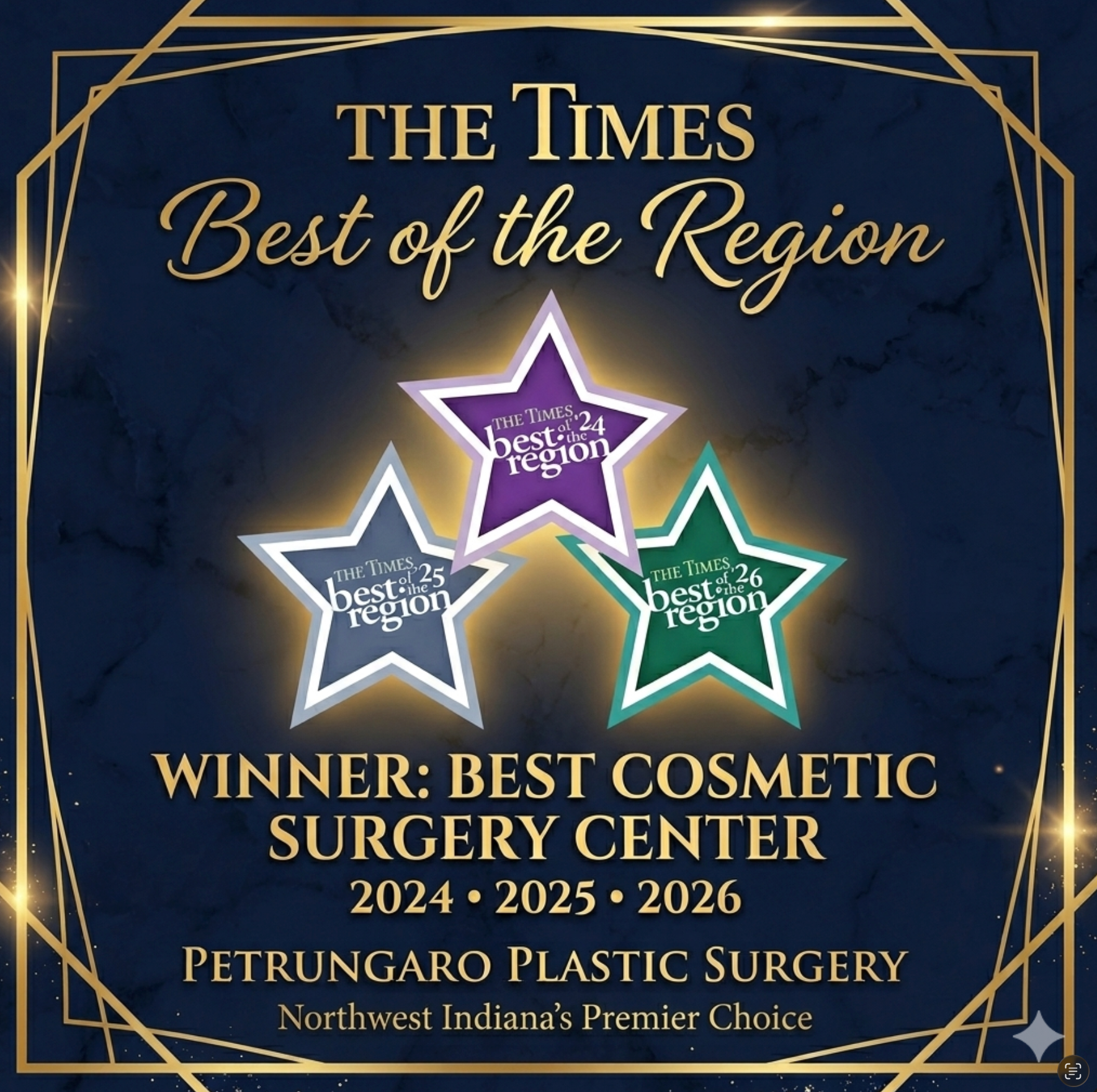
This commitment to excellence is why centers like Petrungaro Plastic Surgery stand out. Under the expert guidance of Doctor Jason Petrungaro, Petrungaro Plastic Surgery was voted the #1 Cosmetic Surgery Center in Northwest Indiana for 2024 and 2025. This recognition isn’t just about performing cosmetic procedures; it’s a testament to the comprehensive care, patient satisfaction, and exceptional results achieved by a team led by a highly qualified, board-certified plastic surgeon.
In conclusion, while “plastic surgery” encompasses both reconstructive and aesthetic procedures, and “cosmetic surgery” focuses purely on aesthetic enhancement, the most important takeaway is to seek out a board-certified plastic surgeon for any aesthetic procedure. This ensures you’re receiving care from a highly trained and experienced professional dedicated to your safety and achieving your desired results.
Frequently Asked Questions
1. What is the difference between plastic surgery and cosmetic surgery?
Plastic surgery is a broad surgical specialty that includes both reconstructive and cosmetic procedures. Cosmetic surgery specifically focuses on improving appearance, symmetry, and body proportions. Plastic surgery may also address injuries, congenital conditions, burns, or other physical defects.
2. Is cosmetic surgery considered plastic surgery?
Yes. Cosmetic surgery falls within the broader field of plastic surgery, but the two terms are not interchangeable. Plastic surgery encompasses reconstructive procedures as well as aesthetic treatments, while cosmetic surgery is primarily focused on elective improvements to appearance.
3. What does a board-certified plastic surgeon do?
A board-certified plastic surgeon has completed specialized surgical training and met the certification requirements of a recognized medical board. Their training covers surgical anatomy, reconstructive techniques, aesthetic procedures, patient safety, and complication management. Patients should also verify the specific board certification held by their surgeon.
4. Can any doctor call themselves a cosmetic surgeon?
The term “cosmetic surgeon” can be used by physicians with different types of medical training, depending on the jurisdiction and applicable professional rules. Because cosmetic procedures can involve significant surgical risks, patients should investigate a physician’s education, surgical training, board certification, hospital privileges when relevant, and experience with the specific procedure they are considering.
5. Why is board certification important when choosing a plastic surgeon?
Board certification can provide information about a surgeon’s specialized training and professional qualifications. When considering cosmetic surgery, patients should look beyond titles and confirm the surgeon’s certification, experience with the procedure, surgical facility credentials, and approach to patient safety and follow-up care.
6. What procedures can a plastic surgeon perform?
Plastic surgeons may perform a wide range of reconstructive and cosmetic procedures. Reconstructive surgery can include treatment for injuries, burns, congenital conditions, or breast reconstruction after cancer treatment. Cosmetic procedures can include breast augmentation, breast lift, breast reduction, liposuction, facelift, rhinoplasty, and other aesthetic treatments.
7. How should I choose a plastic surgeon for cosmetic surgery?
Start by checking the surgeon’s board certification, specialized training, experience with your specific procedure, surgical facility, and patient-safety practices. During a consultation, ask about expected results, potential risks, recovery, alternatives, and follow-up care. Choosing a qualified surgeon who is experienced in the procedure you’re considering can help you make a more informed decision.
Resources
ACGME: Plastic Surgery Program Requirements
American Board of Plastic Surgery
About the Author
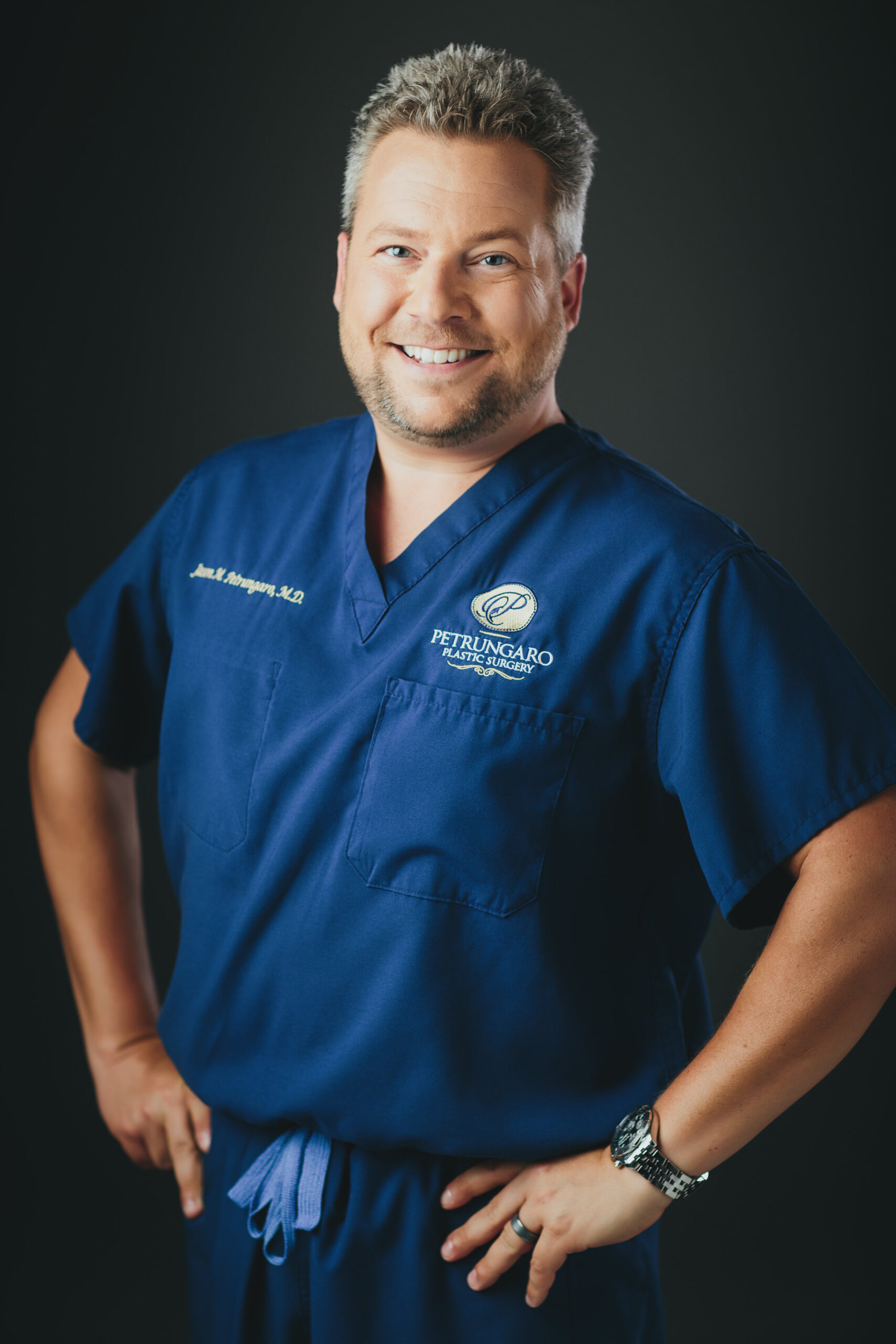
Dr. Jason M. Petrungaro, MD, FACS, is a board-certified plastic surgeon and founder of Petrungaro Plastic Surgery, serving Northwest Indiana and the greater Chicagoland area. He earned his medical degree from Indiana University School of Medicine, completed his General Surgery residency at Rush University Medical Center in Chicago, and completed his Plastic Surgery residency at the University of Tennessee Health Science Center. Dr. Petrungaro is a Fellow of the American College of Surgeons (FACS) and has been voted Best Cosmetic Surgery Center by The Times for three consecutive years (2024, 2025, 2026). Read Dr. Petrungaro’s full bio →