
8 Questions You Should Be Asking at your Consultation!
8 Questions You Should Be Asking at your Consultation!
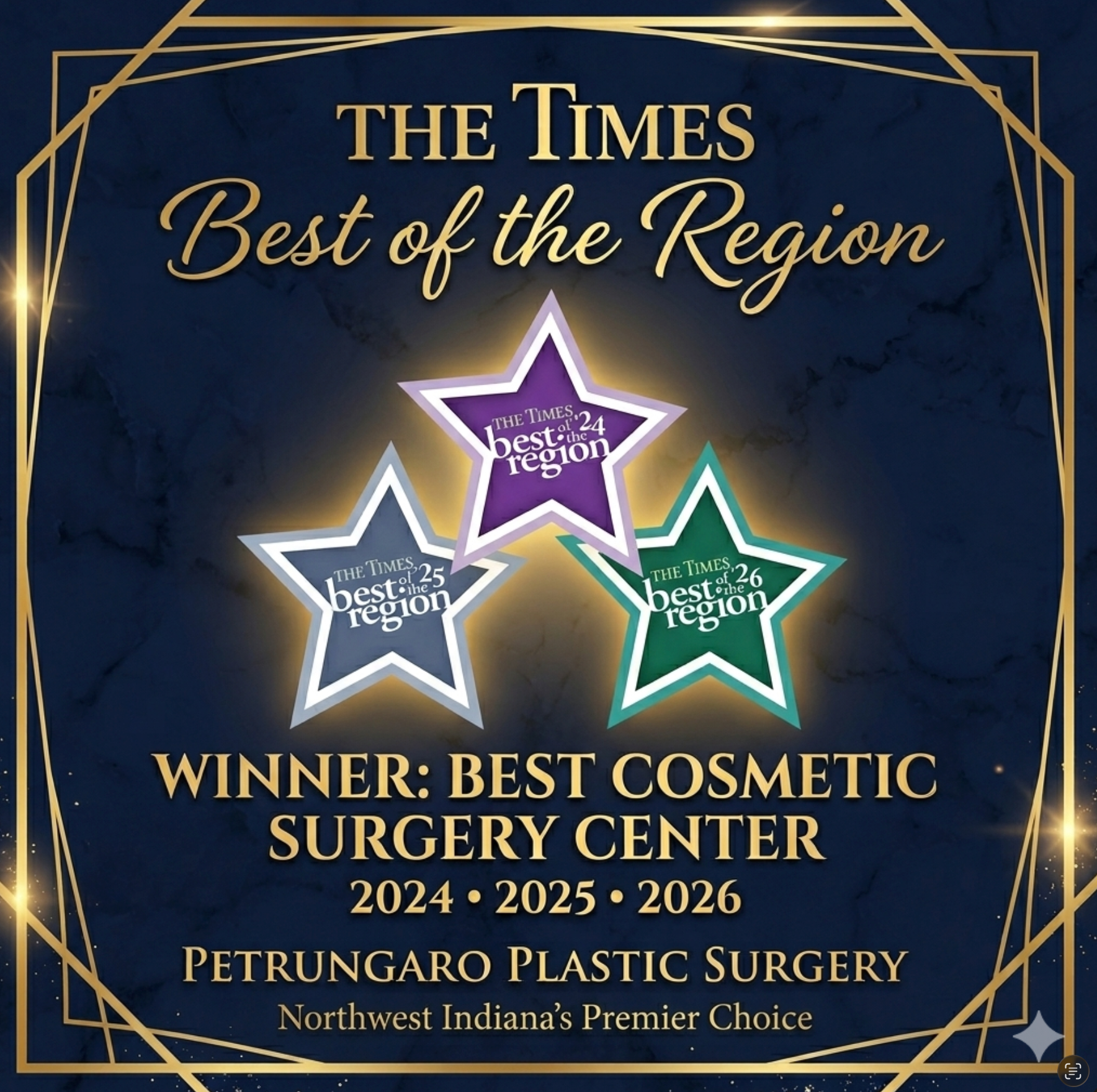
Choosing to undergo cosmetic surgery is a life-altering decision. It is an investment in your confidence, your health, and your future. However, the most critical step in this journey isn’t the surgery itself—it is the consultation. As the #1 Cosmetic Surgeon in Northwest Indiana for three consecutive years (2024, 2025, and 2026), I have seen firsthand how an informed patient is a safe and satisfied patient.
When you walk into a consultation, you aren’t just a patient; you are a researcher. You are there to vet the person who will be responsible for your safety and your aesthetic outcome. To help you navigate this process, I have compiled the essential questions every patient must ask, the answers that should give you peace of mind, and the red flags that should send you running for the door.
The Gold Standard: Why Board Certification is Non-Negotiable
Before we dive into the questions, we must address the “elephant in the room.” There is a dangerous trend in modern medicine where “imposters”—physicians from unrelated fields like family medicine, internal medicine, or emergency care—market themselves as “cosmetic surgeons.”
Do not be fooled. There is a massive legal loophole that allows any licensed physician to call themselves a “cosmetic surgeon” regardless of their training. However, being a “cosmetic surgeon” is NOT a recognized medical specialty by the American Board of Medical Specialties. Board certification by the American Board of Plastic Surgery is the gold and only standard. This certification signifies that the surgeon has completed a minimum of six to eight years of specialized surgical training after medical school, focusing exclusively on plastic and reconstructive procedures. It means they have passed rigorous written and oral examinations and are held to the highest ethical and clinical standards. When you choose me, Dr. Jason Petrungaro, you are choosing a board certified expert who has dedicated his entire professional life to this craft.
Going to an imposter because they offer a “deal” or a “Groupon” is a gamble with your life. These individuals often lack hospital privileges, meaning if something goes wrong, they cannot treat you in a hospital setting. In this industry, cheaper is never better; it is often a sign of cut corners, lack of proper equipment, and a lack of the specialized training required to handle the complexities of the human body.
1. “Are you Board Certified by the American Board of Plastic Surgery?”
This is the first and most important question. Period. Everything else is secondary.
- The Reassuring Answer: “Yes. I am board certified by the American Board of Plastic Surgery, and I maintain active hospital privileges to perform these specific procedures at local hospitals.”
- The Red Flag: “I am board certified in [Internal Medicine/General Surgery],” or “I am a member of a cosmetic society.” Membership in a club or board certification in an unrelated field is not the same as being a Board Certified Plastic Surgeon. If they aren’t certified by the American Board of Plastic Surgery, walk out immediately.
2. “How many times have you performed this specific procedure in the last year?”
In surgery, volume equals proficiency. You want a surgeon who is “in the zone,” not someone who performs your procedure once every few months as a “side hustle.” As the #1 choice for patients in Northwest Indiana, I maintain a high volume of specialized breast & body contouring. Your surgeon should be able to immediately give you details on his or her experience with a specific surgery.
- The Reassuring Answer: A specific, high number that demonstrates they perform the surgery on a regular basis that will ensure safety and proficiency.
- The Red Flag: Vague answers like “I’ve done plenty” or “I’m an expert in everything.” No one is an expert in everything.
3. “Where will my surgery be performed, and is the facility accredited?”
Safety extends beyond the surgeon to the environment. At Petrungaro Plastic Surgery, we prioritize the highest levels of facility safety. Your surgery should always take place in a state-licensed or nationally accredited ambulatory surgery center or hospital.
- The Reassuring Answer: “We operate in a Quad-A (AAAASF) or Joint Commission accredited facility with a board certified anesthesiologist or CRNA present to monitor your vitals throughout the entire procedure.”
- The Red Flag: Procedures performed in a standard office exam room or a converted “procedure room” without proper life-saving monitoring equipment. If the setting doesn’t look like a surgical suite, it isn’t safe.
4. “What are the specific risks for me, and how do you handle complications?”
No surgery is without risk, and anyone who tells you otherwise is lying. An honest surgeon will be transparent about the potential downsides. Because my practice operates on an out-of-pocket, elective model, I am able to provide a direct, high-touch relationship between doctor and patient without the interference of insurance companies. This allows me to focus entirely on your safety and recovery.
- The Reassuring Answer: A detailed, honest explanation of risks (like hematoma, seroma, infection, or scarring) and a clear, proactive plan for how the office handles post-operative concerns.
- The Red Flag: “I’ve never had a complication,” or “This surgery is 100% safe.” Every surgeon has complications; the great ones know how to manage them safely and effectively.
5. “Can I see before and after photos of your actual patients?”
You aren’t looking for stock photos from a manufacturer’s brochure. You are looking for my work. My portfolio reflects the consistent, high-end results that earned me #1 status.
- The Reassuring Answer: A diverse gallery of consistent, high-quality results shown from multiple angles, featuring patients with a similar body type or facial structure to yours. The photos can either be in a book, or more commonly on social media accounts. My biggest gallery is my Instagram profile @doctorpetrungaro — check it out!
- The Red Flag: Only showing one or two “perfect” cases, or photos that look heavily filtered or staged.
6. “How many times will I meet with you personally before and after the procedure?”
In many “high-volume” or “corporate” clinics, you meet the surgeon for five minutes on the day of surgery and never see them again. This is a massive red flag. At Petrungaro Plastic Surgery, the relationship is the foundation of the result.
- The Reassuring Answer: “You will meet with me for your initial consultation, a pre-operative appointment to go over the final plan, and at every single follow-up visit. I am with you from the first visit through the final result.”
- The Red Flag: “You’ll mostly see our nurses or medical assistants for follow-ups.” If the surgeon isn’t personally checking your healing process, they aren’t fully invested in your outcome.
7. “What if I don’t like my results or need a revision?”
Even in the most capable of hands, the human body heals in its own way. Sometimes a “tweak” or revision is necessary to achieve the absolute best outcome. You need to know that your surgeon will stand by their work.
- The Reassuring Answer: A clear, transparent policy on revisions. “If there is a surgical issue that needs refinement, we have a specific protocol in place to address it. My goal is your 100% satisfaction.”
- The Red Flag: Defensive answers or “ghosting” the patient when they express concerns. If a surgeon becomes dismissive when you aren’t happy, they are not the right partner for you.
8. “What if something is wrong and I need to get ahold of you or your office—day or night?”
Surgical concerns don’t always happen between 9 AM and 5 PM. If you have a concern at 2 AM on a Sunday, you need to know who is answering the phone.
- The Reassuring Answer: “You will have a direct line to our office or a dedicated after-hours service that reaches me or my clinical team immediately. You are never alone during your recovery.”
- The Red Flag: “Call the office on Monday,” or “Go to the Emergency Room.” While the ER is for life-threatening emergencies, your surgeon should be the one managing your surgical recovery and answering your specific questions.
The Reality: You Get What You Pay For
I often tell my patients that the most expensive surgery is the one you have to pay for twice. Revision surgery—fixing the mistakes of an imposter or an unqualified doctor—is significantly more complex, more expensive, and more taxing on your body than doing it right the first time.
Imposters often hide their lack of board certification behind low prices. They use “budget” anesthesia, cut corners on facility safety, and provide zero post-operative support. When you see “bargain” pricing, you aren’t just saving money—you are assuming an incredible amount of risk.
Choosing Dr. Jason Petrungaro means choosing the #1 ranked expertise in the region. It means choosing the peace of mind that comes with the gold standard of board certification. It means having a surgeon who will be with you every step of the way, from the first “hello” to the final “wow” in the mirror.
Do not compromise on your safety, your body, or your results. Bring these eight questions to your consultation. If the answers don’t align with the high standards we’ve discussed today, keep looking. Your health is worth the investment.
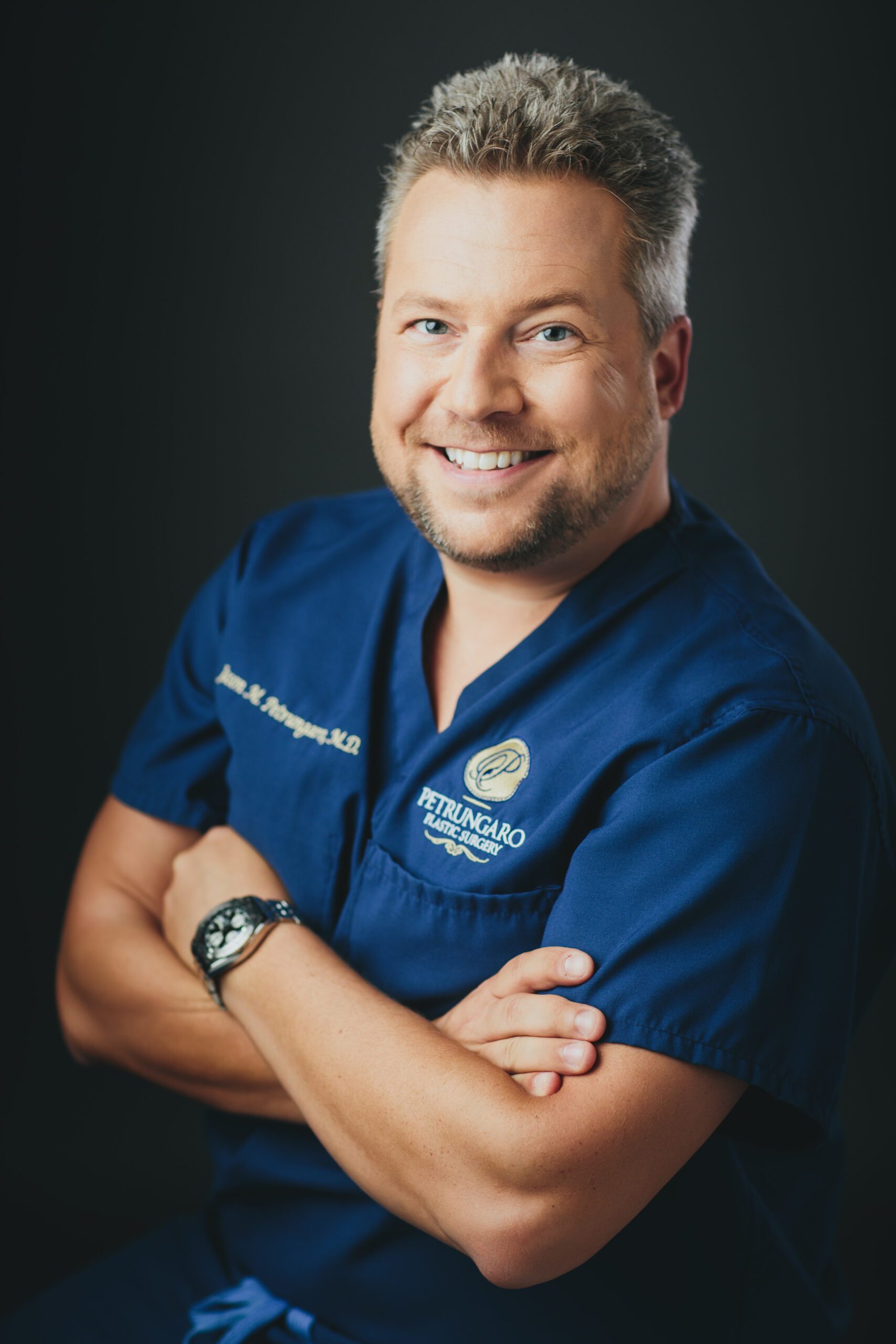
Jason Michael Petrungaro, MD
Board Certified Plastic Surgeon
Voted #1 Cosmetic Surgery Center in Northwest Indiana 2024, 2025, and 2026