

A Journey of Confidence: Your Guide to Breast Augmentation
A Journey of Confidence: Your Guide to Breast Augmentation
Considering breast augmentation is a deeply personal and exciting decision. It’s a journey toward achieving a shape that feels more aligned with your sense of self and confidence. Whether you’re looking to restore volume lost after pregnancy or weight loss, or you simply desire a fuller silhouette, understanding the process is key to a smooth and successful experience.
This guide is designed to walk you through every step of the breast augmentation journey—from the initial consultation to your final results. Doctor Petrungaro’s goal is to provide you with the professional, informative, and reassuring insights you need to feel empowered and prepared.
Before: The Foundation of Your Journey
The “before” phase is all about preparation. This is where you lay the groundwork for a safe procedure and a comfortable recovery. It’s a time for research, self-care, and honest conversations with your board certified plastic surgeon Doctor Jason Petrungaro.
1. The Consultation: Your Blueprint for Success
This is the most crucial step. Your consultation is not just a formality; it’s a collaborative session where you and Doctor Petrungaro will define your goals and create a personalized plan. Be prepared to discuss:
- Your Desired Outcome: Bring photos of what you like (and dislike) to help your surgeon understand your aesthetic vision. Be realistic and open to your surgeon’s expert advice on what is achievable for your body type.
- Implant Options: Your surgeon will explain the differences between saline and silicone implants, and various shapes and profiles. They will help you “try on” different implant sizes using a special implant sizing system to visualize your results.
- Placement and Incisions: You’ll discuss implant placement (in most cases under the chest muscle) and incision location (in most cases in the breast fold). Each option has unique benefits and considerations for your recovery and final result.
- Medical History: Be completely transparent about your medical history, including any previous surgeries, current medications (including over-the-counter supplements), and lifestyle habits like smoking. Smoking significantly impacts healing and may increase the risk of complications.
2. Preparing for the Big Day
Once your surgery is scheduled, you’ll receive a detailed list of pre-operative instructions. Following these precisely is vital for your safety and a smooth recovery. Here are some key actions to take:
- Medical Clearance: Your surgeon may require blood tests, a mammogram, or a physical from your primary care doctor to ensure you are in good health for surgery.
- Medication and Supplement Management: You’ll be instructed to stop taking certain medications and supplements, especially blood thinners like aspirin and ibuprofen, several weeks before your surgery to minimize bleeding risk.
- Lifestyle Adjustments: If you smoke, it’s essential to quit at least several weeks before your procedure. Your surgeon will provide a specific timeline.
- Home Prep: Think of your home as a recovery sanctuary. Stock up on easy-to-prepare meals, fill prescriptions for pain medication, and set up a comfortable recovery area with pillows to keep you propped up, a water bottle, and entertainment within arm’s reach. Arrange for a trusted friend or family member to drive you home after surgery and stay with you for the first 24-48 hours.
During: The Day of Your Transformation
The day of your surgery is an exciting milestone. You’ll arrive at the surgical center or hospital, where the staff will guide you through the final steps.
- Arrival and Check-in: You’ll be greeted by the surgical team. A nurse will take your vitals and confirm your information. You’ll also meet with Doctor Petrungaro one last time to review the plan and have the surgical markings drawn on your chest.
- Meeting the Anesthesia Staff: The anesthesiologist or nurse anesthetist will discuss your medical history and the type of anesthesia you’ll receive, typically general anesthesia, which means you’ll be asleep and pain-free during the procedure. They’ll answer any last-minute questions you have about the process.
- The Surgery: Breast augmentation is an outpatient procedure, meaning you’ll go home the same day. The surgery itself usually takes about one to two hours. Doctor Petrungaro will make the agreed-upon incisions, create a pocket for the implants, and carefully place them. He will then close the incisions with sutures and apply surgical dressings.
- Waking Up: When you wake up, you’ll be in the recovery room. You may feel groggy from the anesthesia and notice tightness and a feeling of pressure in your chest. This is normal. The medical staff will monitor you closely until you are fully awake and ready to go home with your caregiver.
After: The Path to Your New Self
Recovery is a gradual process, but each day brings you closer to your final, beautiful result. Patience and listening to your body are your most valuable tools during this time.
The First Few Days (1-3 Days Post-Op)
- Discomfort and Tightness: You will likely experience soreness, tightness, and some bruising and swelling. This is to be expected as your body adjusts. Pain medication prescribed by your surgeon will help manage the discomfort.
- Rest and Elevation: Rest is paramount. Sleep on your back with your upper body elevated to help reduce swelling. Avoid any strenuous activity or lifting anything heavier than a few pounds.
- Activity: Short, gentle walks around the house are encouraged to promote circulation and prevent blood clots. However, do not overexert yourself.
- Surgical Garments: You will be wearing a surgical bra. Wear it as instructed by your surgeon, as it is crucial for supporting your breasts and promoting proper healing.
The First Few Weeks (1-4 Weeks Post-Op)
- Pain Subsides: The initial tightness and soreness will begin to fade significantly. Many patients can transition from prescription pain medication to over-the-counter options.
- Return to Work: Most patients can return to work within one to two weeks, depending on the physical demands of their job.
- Gradual Increase in Activity: You can gradually reintroduce light activities, but avoid heavy lifting, strenuous exercise, and anything that strains the chest muscles.
- Swelling Decreases: You will notice a visible reduction in swelling, and your breasts will begin to soften and settle into a more natural position.
- Follow-Up Appointments: You’ll have scheduled follow-up appointments with your surgeon to monitor your healing, check your incisions, and provide further guidance on your recovery.
The Months Ahead (2-6+ Months Post-Op)
- Final Results Emerge: Most of the swelling will have resolved, and your breasts will have fully “dropped and fluffed” into their final, natural shape.
- Resuming Exercise: Your surgeon will give you the green light to resume your full workout routine, including upper body and chest exercises.
- Scar Maturation: Your incision scars, which may initially appear red or pink, will begin to fade and flatten over the next several months to a year.
Enjoying Your Results: This is the time to fully embrace your new look and newfound confidence.
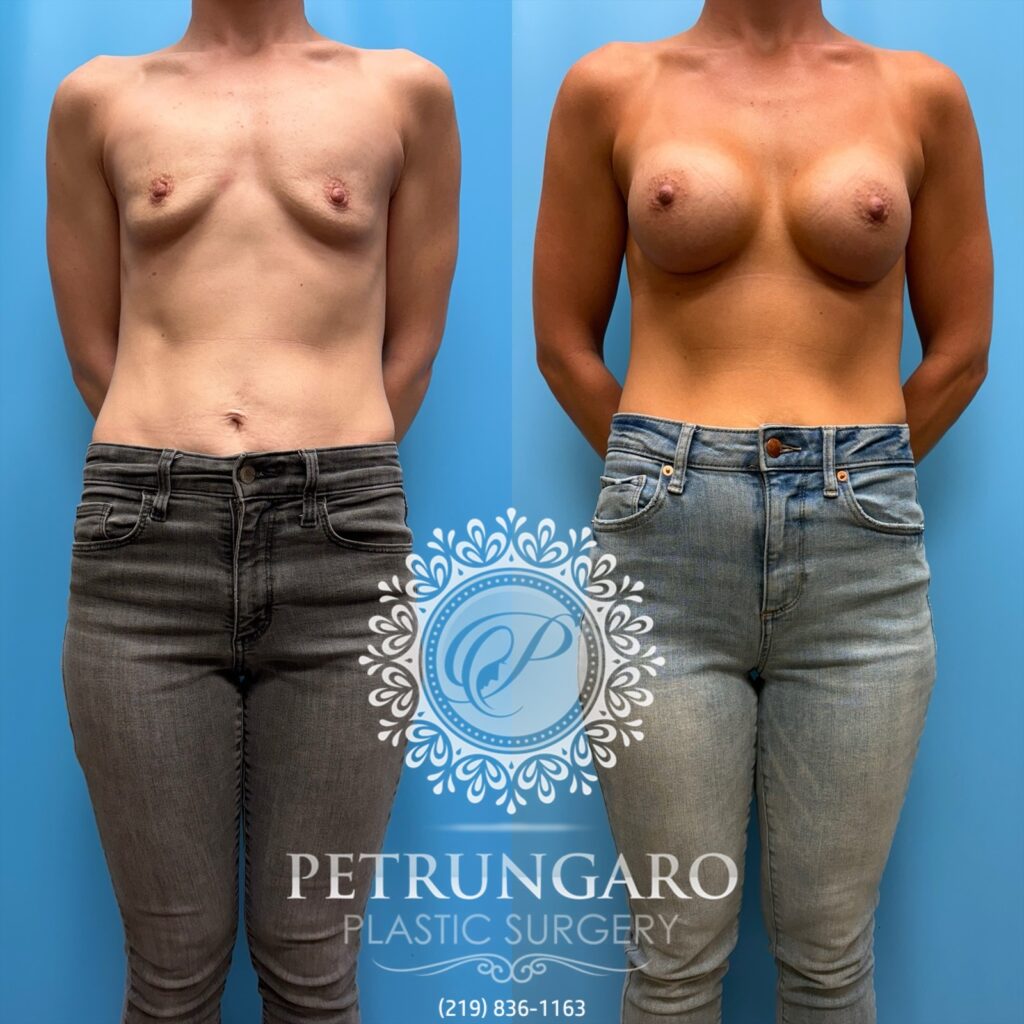
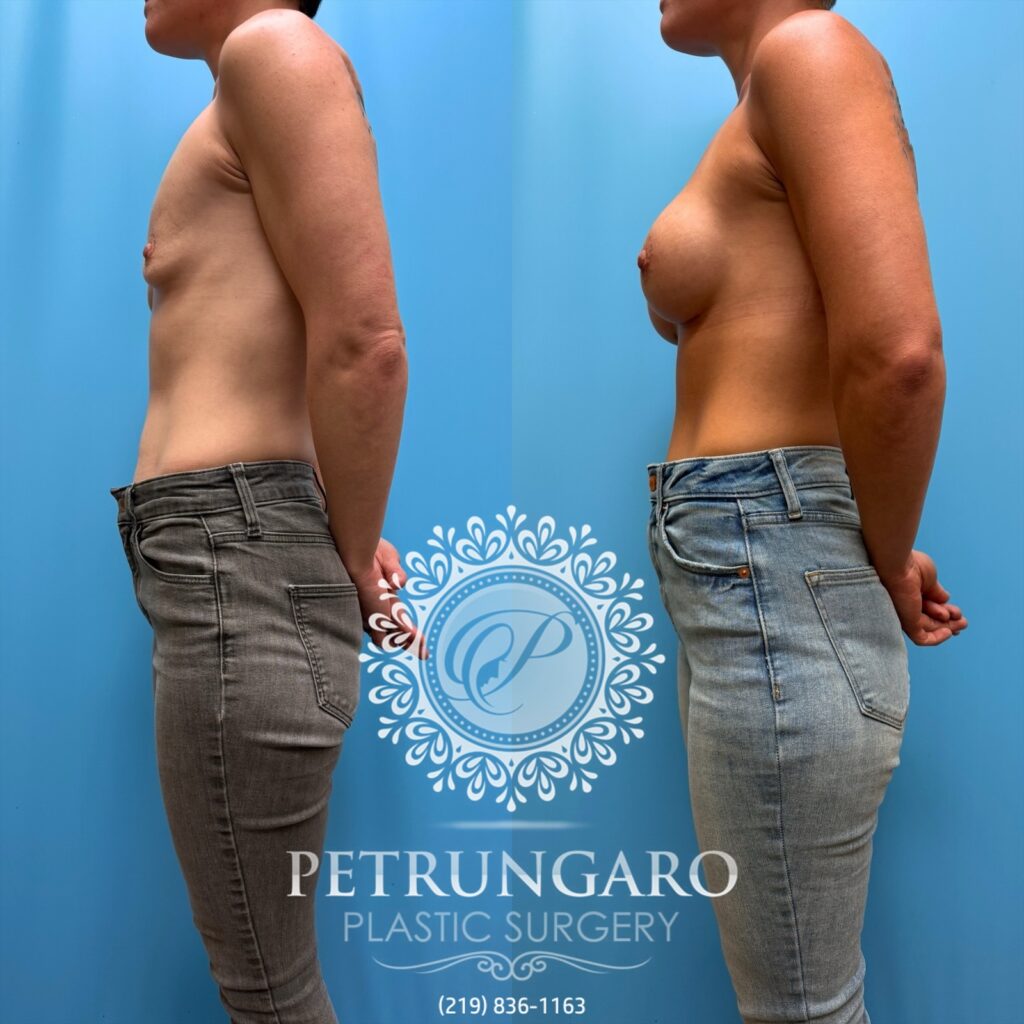
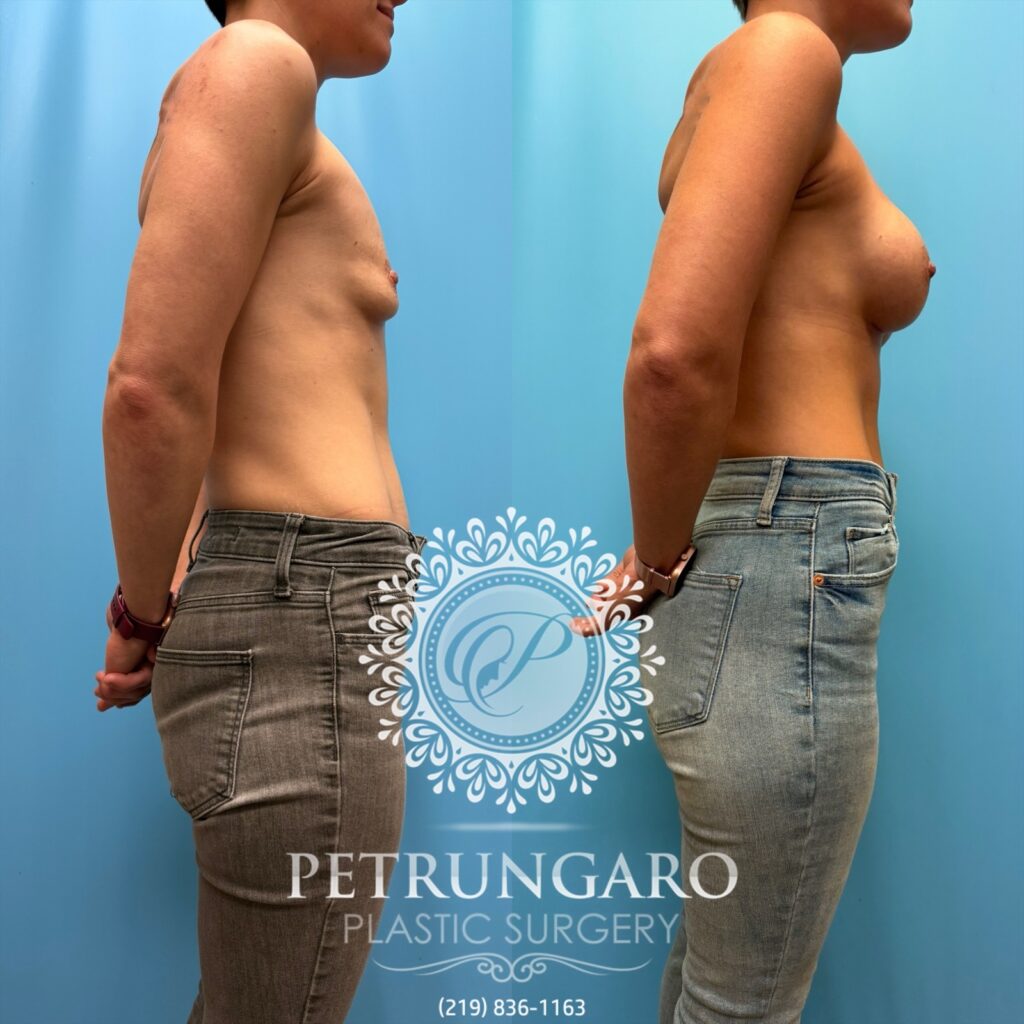
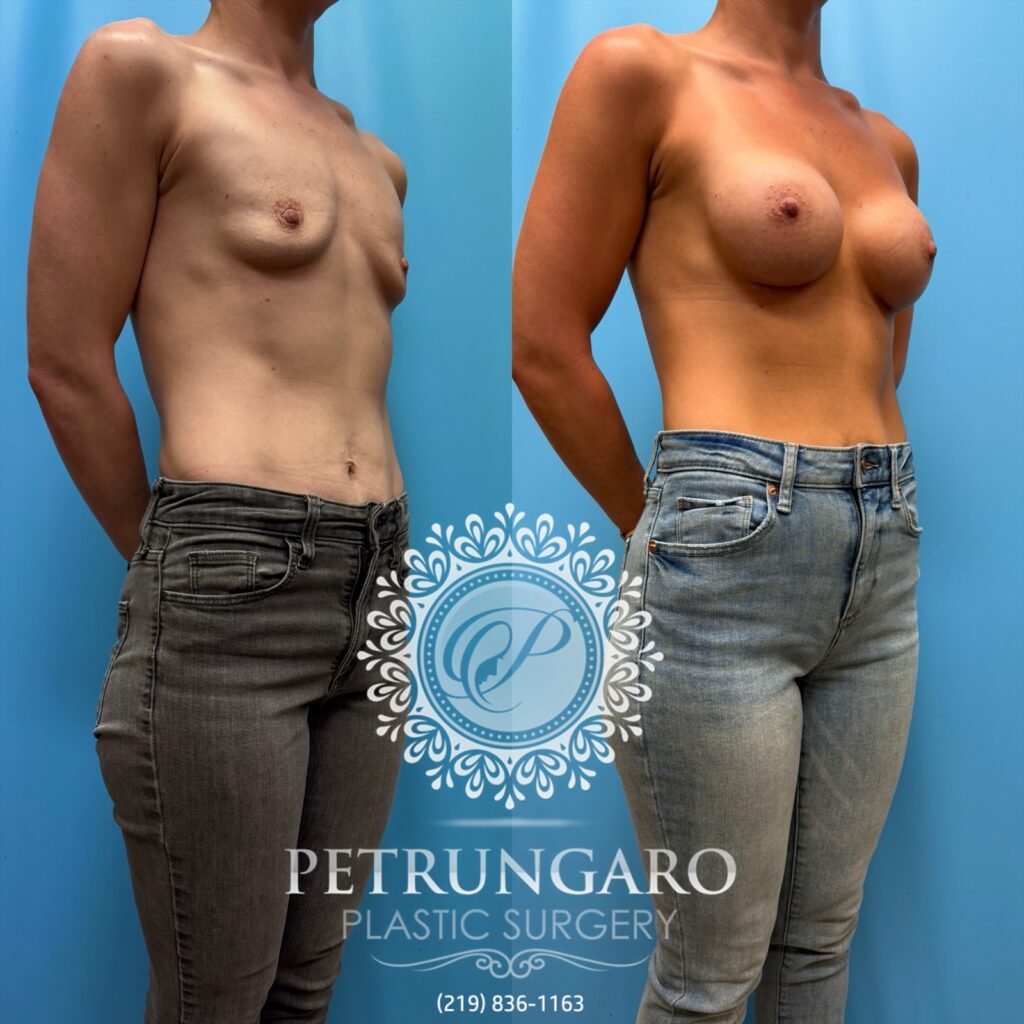

11 Q&A Topics About Breast Augmentation
Here are some of the most common questions people have when considering breast augmentation.
1. Will I be able to breastfeed after breast augmentation?
In most cases, yes. The ability to breastfeed depends on the incision type and implant placement. Many breast augmentation techniques do not interfere with the milk ducts, allowing you to breastfeed successfully and safely.
2. How long will my implants last?
Breast implants are not lifetime devices. While modern implants are designed to be durable, they may need to be replaced at some point. The reasons for replacement can vary, from a rupture or capsular contracture to simply a desire for a change in size or shape over time. There is no exact time when implants will need to be removed and replaced. In most cases, implants last well past 10 years.
3. What is “capsular contracture”?
Capsular contracture is the most common complication of breast augmentation; however, it is NOT guaranteed that it will happen. It occurs when the natural scar tissue capsule that forms around the implant tightens and squeezes the implant, causing the breast to feel hard, firm, or look misshapen. The treatment of capsular contracture is surgical removal of the scar tissue and placement of a new breast implant. In most patients, if capsular contracture happens, it will occur well past 10 years.
4. How will I know what implant size is right for me?
Choosing the right size is a careful balance between your aesthetic goals and what is anatomically appropriate for your body. Doctor Petrungaro will use measurements and sizing tools to help you visualize and select the best size to achieve a beautiful and proportionate result. Ultimately, your implant size is up to you. Doctor Petrungaro will NEVER pressure you into choosing an implant that you feel is not right for you.
5. How much pain should I expect?
Pain levels vary for each person, but most patients describe the immediate post-operative feeling as soreness and tightness, similar to an intense chest workout. This is typically well-managed with prescribed pain medication.
6. Will my breasts feel different to the touch?
Yes, you will notice a difference in how your breasts feel to the touch due to the implant being in place. The feeling can be a bit firm initially due to swelling and the implant settling. Over time, your breasts will soften and feel very natural. It is very uncommon, if ever, for patients to lose nipple sensation.
7. Can I combine breast augmentation with other procedures?
Yes. It is common to combine breast augmentation with a breast lift, especially for women who have sagging (ptosis) in addition to a lack of volume. Your surgeon will discuss the best approach for your specific needs during the consultation. Breast augmentation is also commonly combined with tummy tucks and liposuction.
8. When can I resume my workout routine?
You can typically resume light walking within the first week and then ramp up your cardiac exercise over 4-6 weeks. Very light arm weights, light core exercise, and light leg exercises are acceptable at this time. Strenuous exercise, heavy lifting, and activities that engage the chest muscles should be avoided for at least 3 months to avoid bleeding inside the implant pocket, which in many cases requires surgical intervention.
9. Are there visible scars?
Yes, but your surgeon will place the incisions in the most discreet locations to minimize their visibility. The most common incision site is the crease under the breast (inframammary fold. Scars will fade and flatten over time.
10. What is a “rupture” and how would I know if it happens?
A rupture is when the outer shell of an implant rips/tears. For a saline implant, the sterile saltwater is harmlessly absorbed by the body, and the breast will deflate immediately. A silicone implant rupture is often called a “silent rupture” because the thick gel can remain contained. Regular screenings, such as an MRI or ultrasound, are recommended to check for silicone ruptures. These screenings are recommended at 5 years after implant placement, and then every 3 years for the life of the implants.
11. Do breast implants have a warranty?
Yes they do! Doctor Petrungaro uses Natrelle Inspira breast implants. Every Natrelle breast implant comes with an automatic lifetime warranty for implant rupture AND capsular contracture. This means if either of these things occur, your implant will be replaced for free by the company for life.